Creating a beautiful backyard can often feel overwhelming. With so many options available, it’s easy to get lost in the details. That’s why I decided to put together this post on backyard retaining wall ideas. These structures not only serve a practical purpose but also add a touch of style and charm to your outdoor living spaces. Whether you’re looking to create tiered gardens, define areas for patios, or simply enhance your garden aesthetics, a well-designed retaining wall can be the perfect solution.
This post is for homeowners, garden enthusiasts, and DIY lovers who want to elevate their outdoor environment. If you care deeply about creating a sustainable and appealing backyard, you’ll find plenty of inspiration here. I’ve compiled 15 backyard retaining wall ideas that are not just functional but also beautiful, each with its own unique flair. You’ll discover how to integrate natural stone elegance, modern materials, and even green walls into your landscape design, all while keeping sustainability in mind.
By the end of this guide, you’ll have a clearer vision of how to incorporate these retaining wall ideas into your backyard. You’ll find practical tips, material suggestions, and design strategies that can help you create an inviting outdoor space. Let’s dive in and explore how retaining walls can transform your backyard into the haven you’ve always dreamed of.
Key Takeaways
– Each retaining wall idea offers unique aesthetic benefits, from natural stone charm to modern concrete designs, giving your backyard a distinctive look.
– Sustainable materials, such as reclaimed wood and green walls, not only improve garden aesthetics but also promote eco-friendly practices in your outdoor space.
– Tiered garden walls can create visually appealing levels in your yard while allowing for diverse plant growth and effective drainage solutions.
– Using boulders or gabion walls can add unique textures and natural appeal, serving as focal points that enhance your overall landscape design.
– Practical tips for choosing materials and designs will help you make informed decisions, ensuring your retaining wall is both stylish and functional.
1. Natural Stone Elegance
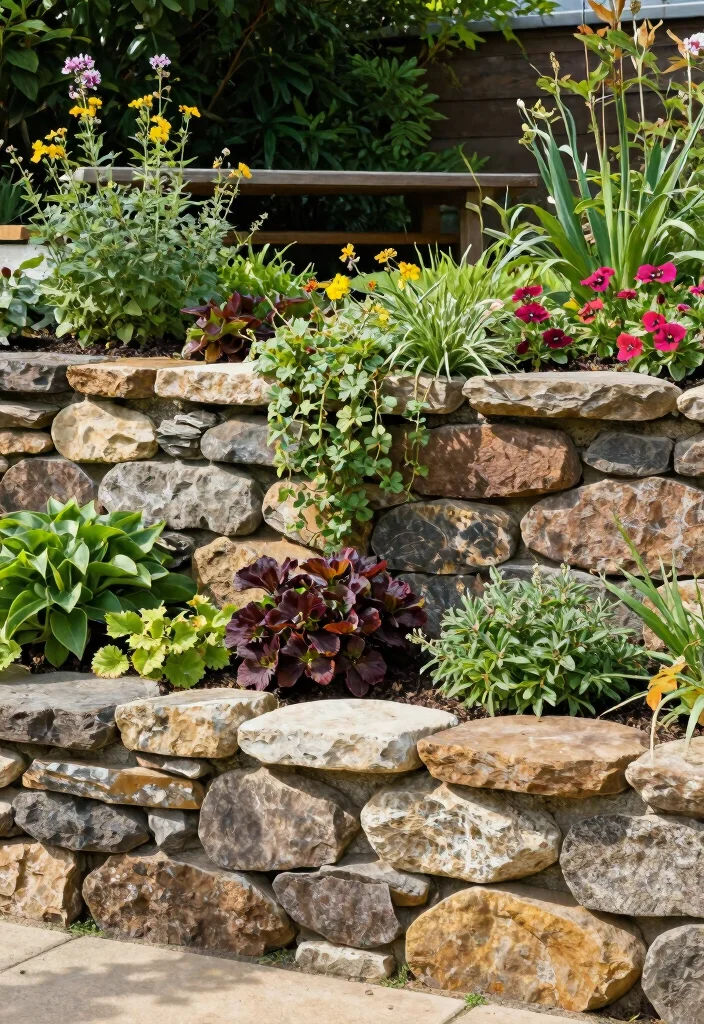
Natural stone is a classic choice for retaining walls, infusing your backyard with a sense of elegance and timelessness. The varied textures and colors of natural stones work together to create a beautiful, organic look that naturally integrates with the surrounding landscape. For instance, using granite and limestone can add both visual interest and strength to your design, making it a perfect complement to lush greenery.
To bring this idea to life, consider building a terraced garden with built-in planters that allow you to cultivate herbs and flowers. Pairing your stone wall with rustic wooden seating can create a cozy nook for outdoor relaxation.
Consider these elements to maximize this palette’s potential:
– Pair granite stones with integrated herb planters.
– Install limestone steps for easy access to different levels.
– Use natural boulders to create a seamless transition between garden areas.
This approach not only enhances your garden design but emphasizes a sustainable lifestyle, bringing beauty and functionality to your outdoor space.
2. Modern Concrete Blocks
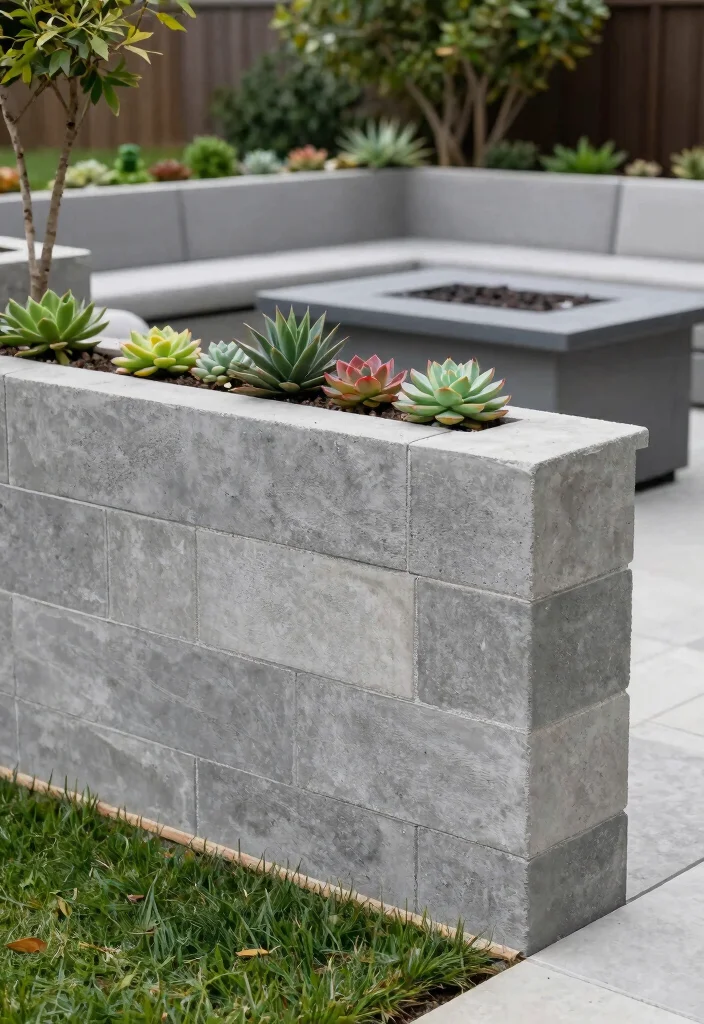
Concrete blocks are perfect for a sleek and modern retaining wall, offering endless customization options in color and finish. Their clean lines and sturdy structure make them ideal for contemporary landscaping, providing a practical solution without sacrificing style. Mixing different block sizes can create an engaging visual dynamic that complements your home’s exterior beautifully.
To implement this design, think about incorporating a fire pit within the wall structure or topping it with low-maintenance succulents. This not only adds greenery but also enhances the outdoor atmosphere.
Consider these elements to enhance your design:
– Use various colors of concrete blocks to create contrast.
– Install a fire pit integrated into the wall design.
– Incorporate succulents on top for a vibrant touch.
Concrete retaining walls deliver a modern touch while remaining durable and practical, making them an excellent addition to any outdoor space.
Backyard retaining wall ideas bloom when you mix concrete block sizes and finishes—it’s practical, durable, and stylish. Start with clean lines, then top it with a fire pit or seating nook to extend outdoor nights and add usable space.
3. Wooden Timbers for Rustic Charm
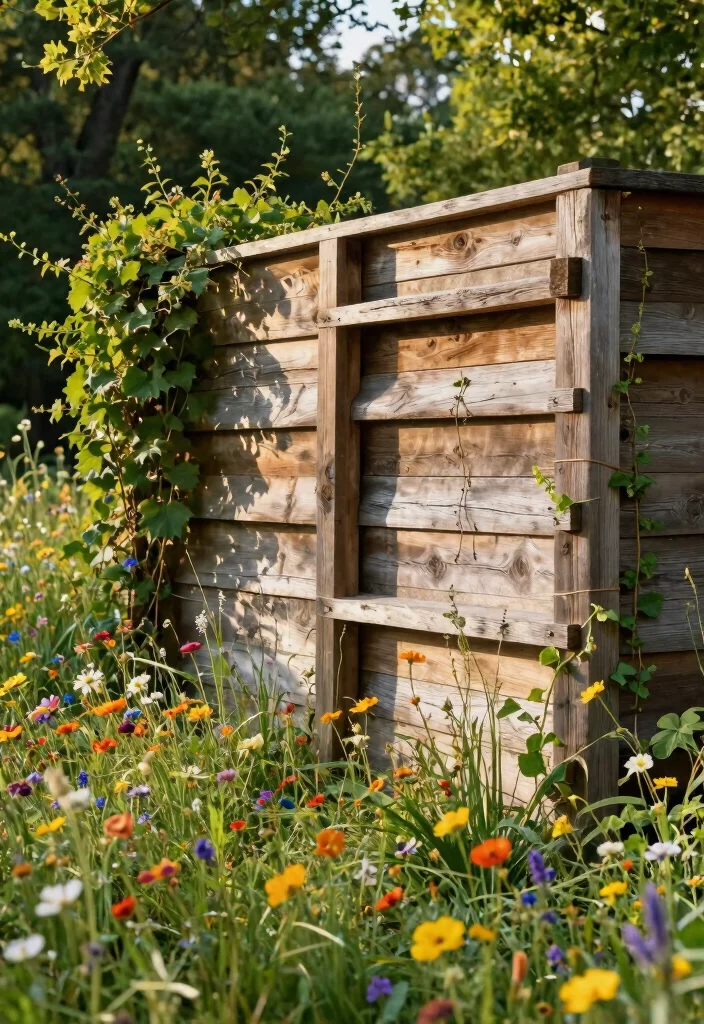
Wooden timbers add warmth and a rustic charm to your backyard, creating a cozy atmosphere that harmonizes beautifully with natural surroundings. This versatile material helps prevent soil erosion while offering a relaxed aesthetic. Using treated wood ensures longevity, while incorporating plants can create a delightful cottage garden feel.
For a successful installation, consider mixing wildflowers or soft grasses alongside the timbers, enhancing the organic look of the space. Additionally, these wooden walls can serve as a perfect backdrop for climbing plants and vines.
Consider these tips for your timber wall:
– Use rot-resistant wood for durability.
– Incorporate a slight slope for proper drainage.
– Mix in native plants to enhance the rustic appeal.
A wooden retaining wall offers both natural beauty and a functional solution, enhancing the overall aesthetics of your backyard while supporting your garden.
Wooden Timbers for Rustic Charm
Editor’s Choice




4. Gabion Walls for Unique Texture
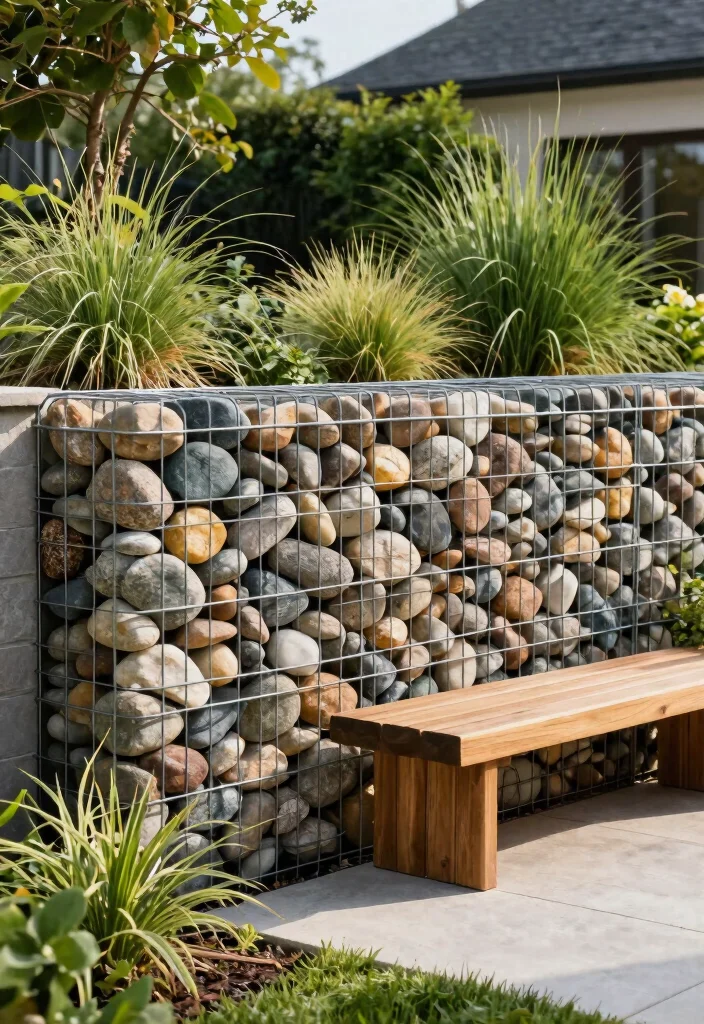
Gabion walls, constructed from wire baskets filled with stones, introduce an intriguing visual element while providing a durable option for landscaping. Their modern aesthetic and rugged texture make them an excellent choice for contemporary gardens. You can customize the fill with various stones, allowing for creativity and personal expression in your design.
To achieve the best results, consider using smooth river stones for a softer appearance or sharp-edged rocks for a more industrial look. Gabion walls can also be paired effectively with other materials like wood or concrete for added contrast.
Consider these tips for your gabion wall:
– Ensure wire baskets are tightly filled for stability.
– Mix different stone types for a dynamic appearance.
– Use gravel as a base for drainage.
Gabion walls provide a striking contrast to traditional materials, adding unique texture and structure while still promoting sustainable practices in your landscape design.
❝ Fun fact: Gabion walls can last 50+ years with proper installation, making them a sturdy choice for backyard retaining wall ideas. Their modern texture comes alive with river stones or sharp-edged rocks—creative, durable, and perfectly shareable on social feeds. ❞
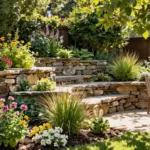
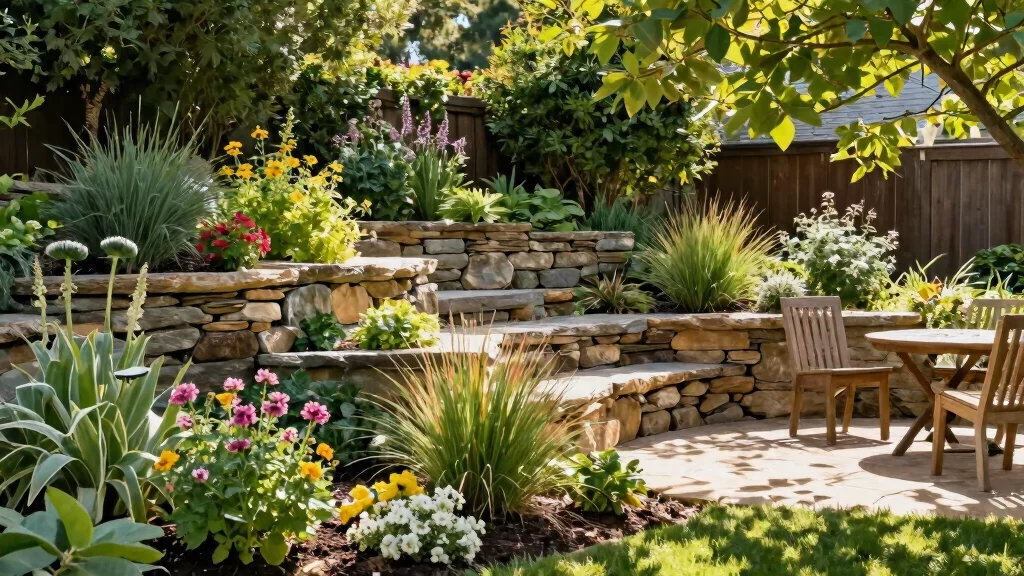
5. Tiered Garden Walls
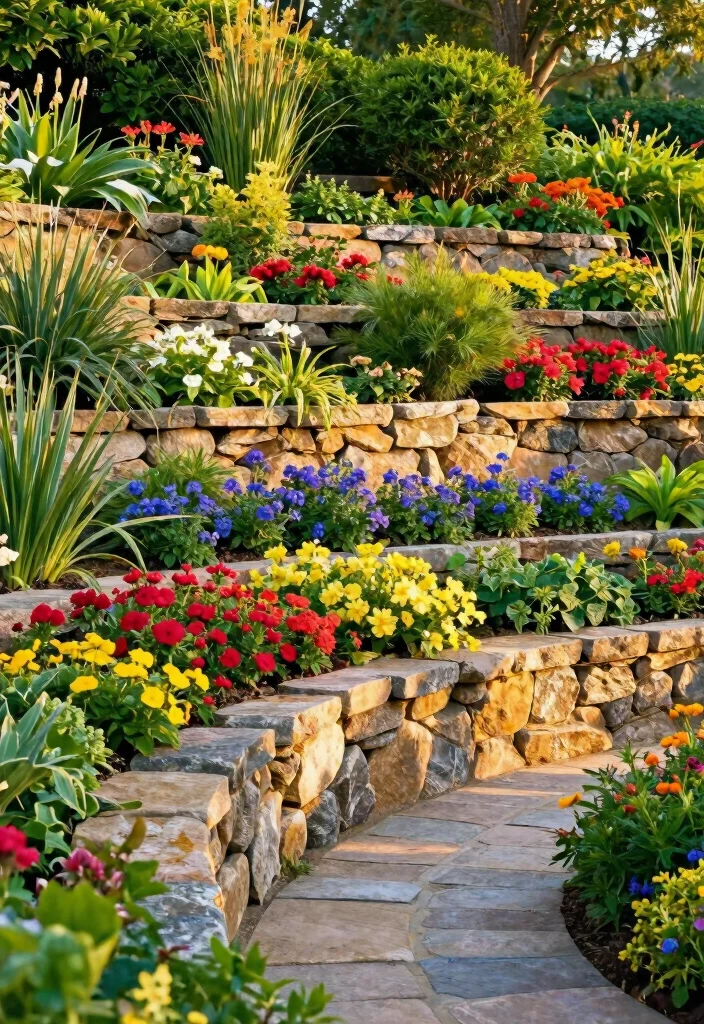
Tiered retaining walls not only enhance the visual appeal of your backyard but also maximize usable space. This design allows you to create multiple planting levels, each filled with a variety of plants and flowers that thrive in different conditions. The result is a dynamic landscape that draws the eye and encourages exploration.
Incorporating native plants that flourish together on different tiers can create a cohesive look. Additionally, steps or pathways between tiers enhance accessibility while contributing to the overall aesthetic of your garden.
Consider these elements for your tiered design:
– Plan tier heights for stability and drainage.
– Use retaining wall blocks for structure.
– Integrate pathways for easy access between levels.
With tiered walls, you can transform a sloped backyard into a lush, vibrant garden that maximizes both beauty and functionality.
Fun fact: Tiered garden walls boost usable space by up to 50% in a small backyard, a smart addition to backyard retaining wall ideas. With 3 tiers and native plant mixes, you get a colorful, low-maintenance landscape that still feels expansive.
6. Brick Charm
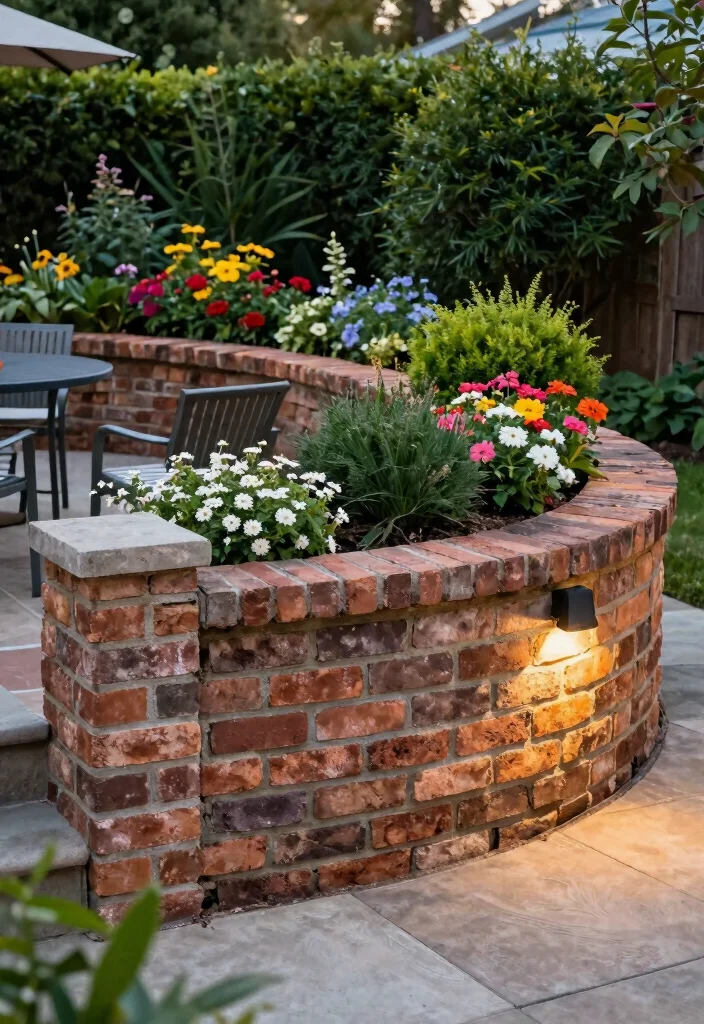
Brick retaining walls bring a classic charm that complements both traditional and modern homes. Their versatility allows for a variety of designs, from straight lines to gentle curves, enhancing your backyard’s overall structure. Choosing warm-colored bricks can beautifully coordinate with outdoor furniture, creating a cohesive look.
To elevate the ambiance, consider incorporating built-in lighting along the top of the wall, which can create a magical atmosphere during evening gatherings. This approach not only strengthens your landscape but also serves as a stunning backdrop for your outdoor spaces.
Consider these tips for your brick wall:
– Select high-quality bricks for durability.
– Use mortar for secure stacking.
– Add soil and plants around the wall for a natural feel.
A brick retaining wall not only strengthens your landscape but also enhances your outdoor living spaces, creating a welcoming atmosphere.
7. Boulders for Natural Appeal
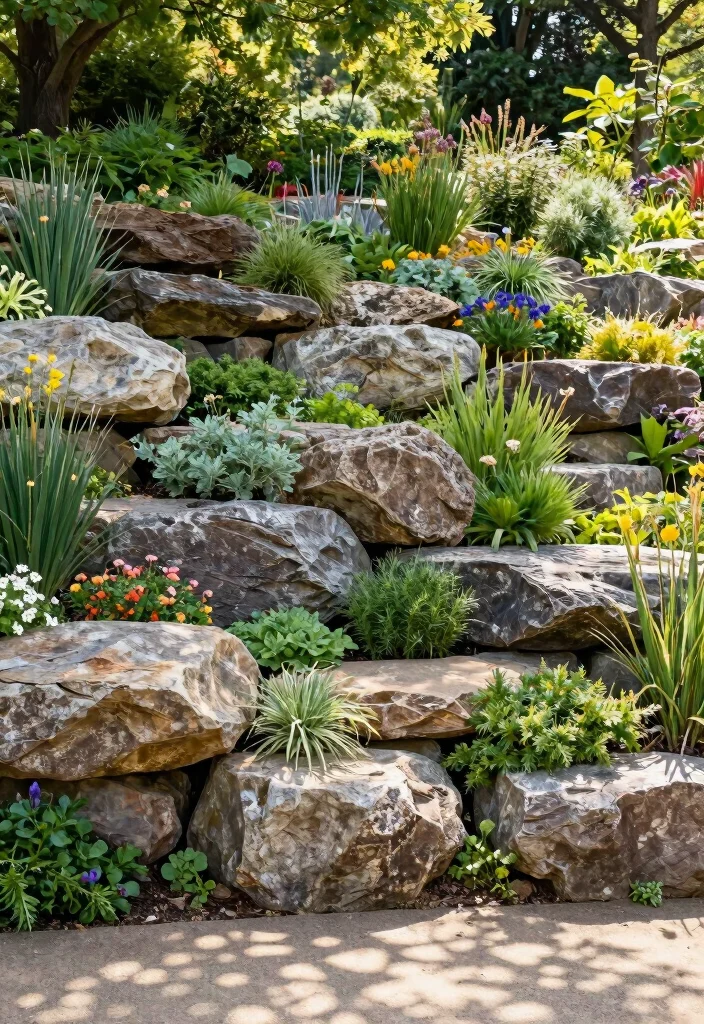
Incorporating large boulders into your landscape creates a stunning natural look that enhances your backyard’s organic beauty. These impressive stones serve as a rustic retaining wall while providing opportunities for native plants to thrive. Arranging boulders thoughtfully allows for planting opportunities in between, enhancing biodiversity in your garden.
For a seamless transition between your garden and natural elements, consider using local stones that complement the existing landscape. This approach not only creates visual interest but also promotes sustainability.
Consider these tips for your boulder design:
– Choose boulders that are easy to move and place.
– Arrange them for visual balance and planting space.
Using boulders creates an eye-catching landscape feature while utilizing local materials, supporting sustainability in your design.
Boulders for Natural Appeal
Editor’s Choice


Key Trade-offs & Our Top Pick
When planning your backyard retaining wall, it’s essential to weigh your options carefully. Each type of wall offers unique advantages and disadvantages. Let’s break down three popular options for backyard retaining walls.
Option 1: Natural Stone Walls
– Pros:
✔ Timeless beauty that enhances garden aesthetics.
✔ Highly durable and can withstand harsh weather.
✔ Natural materials blend seamlessly with outdoor living spaces.
– Cons:
⏱ Can be expensive due to material and labor costs.
⏱ Requires skilled installation to ensure stability.
⏱ Heavy stones may need additional foundation support.
– Best for: Those seeking a classic look that adds value to their home and is willing to invest for long-term durability.
Option 2: Modern Concrete Blocks
– Pros:
✔ Affordable and widely available material.
✔ Easy to install for DIY enthusiasts.
✔ Versatile design options can suit various styles.
– Cons:
⏱ May lack the natural appeal found in stone walls.
⏱ Prone to cracking if not installed correctly.
⏱ Limited aesthetic appeal without additional treatment or landscaping.
– Best for: Homeowners looking for budget-friendly solutions with the flexibility to customize their outdoor space.
Option 3: Green Walls (Living Walls)
– Pros:
✔ Eco-friendly option that improves air quality.
✔ Adds vibrant colors and natural beauty to your yard.
✔ Provides insulation and can help manage stormwater runoff.
– Cons:
⏱ Requires regular maintenance, including watering and weeding.
⏱ Initial setup can be more expensive than traditional walls.
⏱ May not provide the same structural support as solid walls.
– Best for: Environmentally-minded homeowners who want to enhance garden aesthetics while promoting biodiversity.
Expert Recommendation:
Best Overall: Natural Stone Walls
Natural stone walls stand out as the best overall option for most homeowners. They offer long-lasting durability and timeless beauty that elevates any backyard. While they may require a higher initial investment, their aesthetic appeal and strength make them a worthwhile choice. Plus, their natural look complements outdoor spaces seamlessly, making your garden an inviting retreat.
Why We Picked This:
We recommend natural stone walls for their blend of beauty and durability. However, if you’re on a tight budget, modern concrete blocks can be a good alternative. For those interested in sustainability, green walls are excellent for adding greenery and eco-friendly benefits, though they do require more upkeep. Each option has its strengths, so consider what fits your style, budget, and maintenance preferences best.
8. Reclaimed Materials for Sustainability
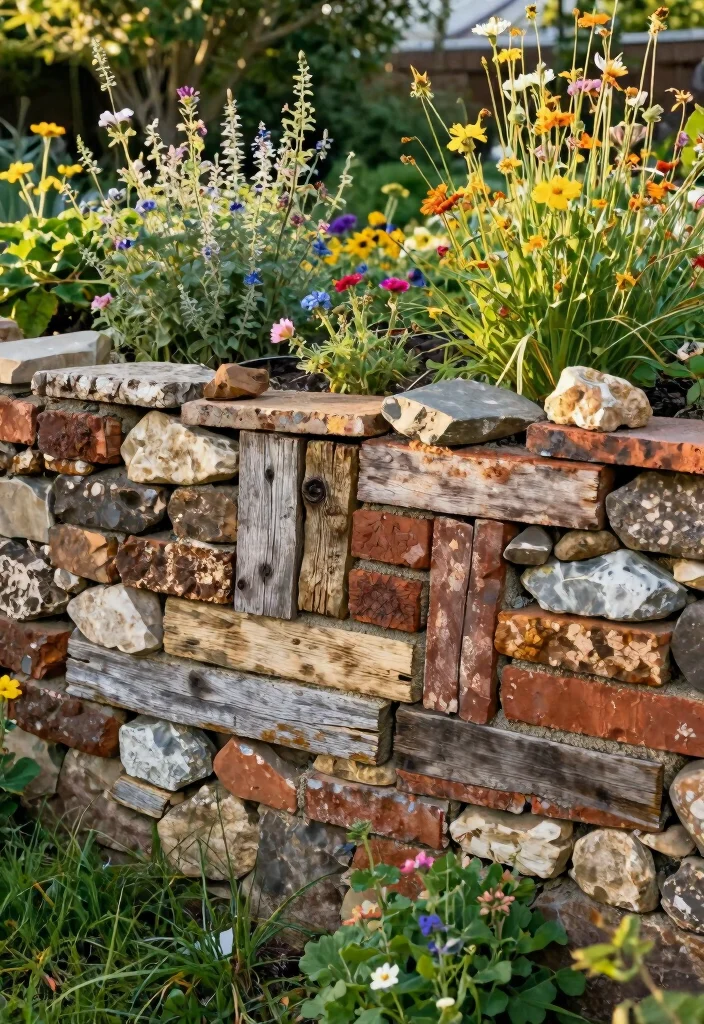
Using reclaimed materials for your retaining wall is not only eco-conscious but also adds character and a sense of history to your backyard. Repurposing old bricks, wood, or stones reduces waste while allowing for a unique design that reflects your personal style. Each piece tells a story, contributing to a one-of-a-kind aesthetic.
Consider mixing different reclaimed materials to create an eclectic look that showcases your creativity. Pairing with wildflowers and native plants can enhance the beauty and sustainability of your garden.
Consider these tips for your reclaimed wall:
– Inspect materials for durability before use.
– Clean and prepare reclaimed items for installation.
A reclaimed retaining wall enhances your rustic backyard while showcasing your commitment to sustainability and creativity in landscape design.
9. Green Walls for Eco-Friendly Aesthetics
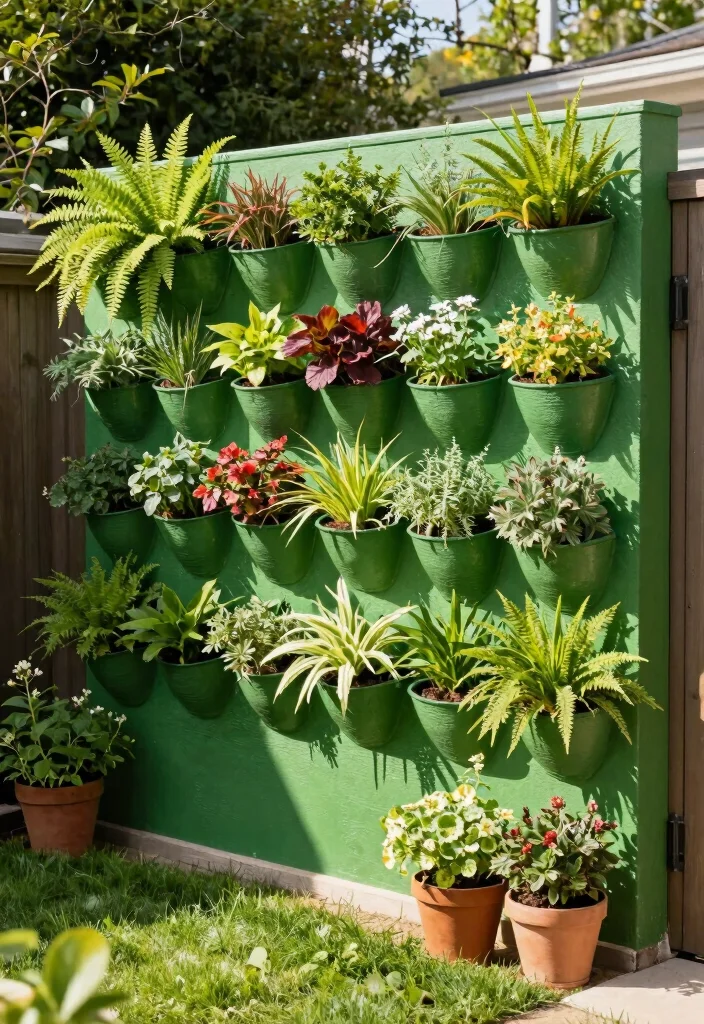
Green walls, or living walls, integrate plants directly into the structure of the retaining wall, creating a stunning visual feature that supports biodiversity. This design not only beautifies your backyard but also improves air quality and provides habitats for local wildlife. A lush, vibrant backdrop adds life and color to your outdoor space.
Choosing a variety of plant species will add texture and color, while herbs, ferns, and flowering plants can thrive in this environment, providing both beauty and functionality. With proper irrigation and drainage, your green wall can flourish effortlessly.
Consider these elements for your green wall:
– Ensure proper irrigation to maintain plant health.
– Choose lightweight soil to ease the wall’s load.
A green wall embodies a commitment to sustainability, enhancing your landscape while promoting eco-friendly practices in gardening.
10. Artistic Mosaics
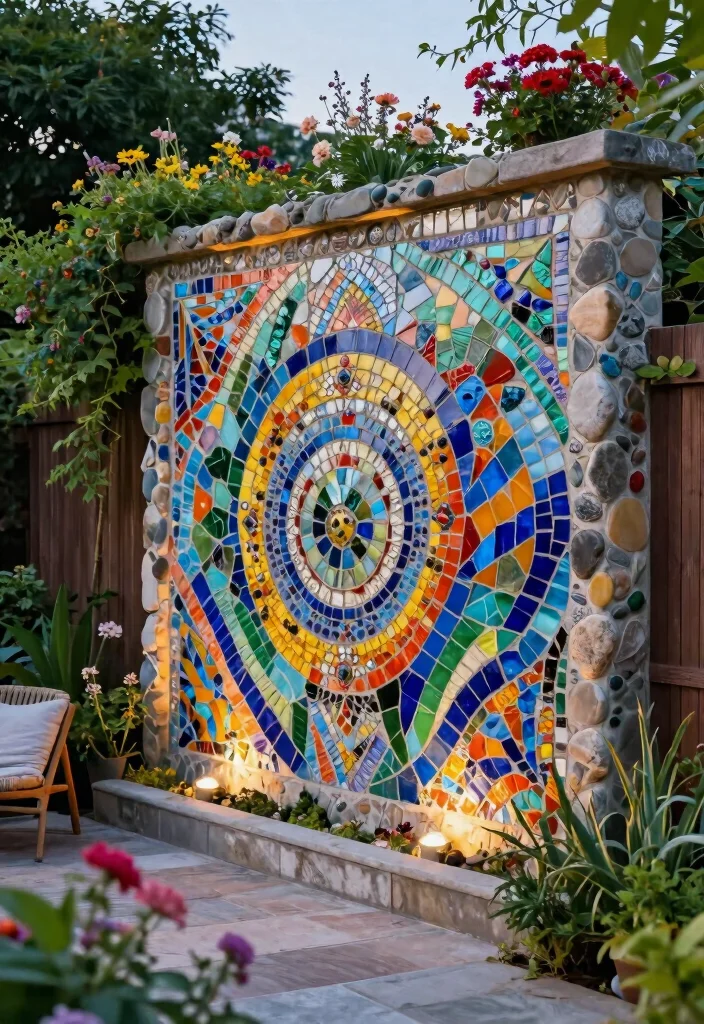
Transform your retaining wall into a unique masterpiece with artistic mosaics made from colorful tiles, glass, or stones. This creative approach adds a personal touch to your backyard and serves as a conversation starter for guests. Each mosaic tells your story, allowing for endless possibilities in design.
Incorporating themes or designs that reflect your interests can enhance the overall aesthetic. Pairing your mosaic wall with soft lighting will create a mesmerizing ambiance during nighttime gatherings.
Consider these tips for your mosaic project:
– Plan your design layout to ensure cohesion.
– Use weather-resistant materials for longevity.
Artistic mosaics can transform a simple retaining wall into a stunning piece of art, bringing creativity and joy to your outdoor oasis.
Artistic Mosaics
Editor’s Choice




11. Dry-Stone Wall for Timeless Beauty
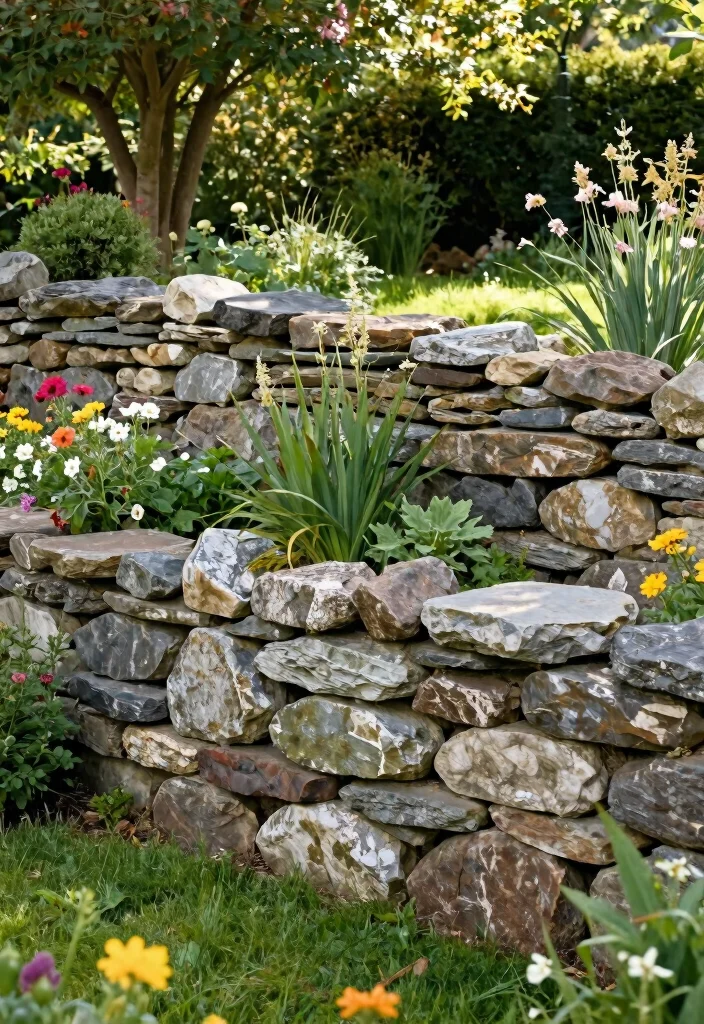
A dry-stone wall, composed of carefully stacked stones without mortar, provides a rustic charm and timeless appeal. This construction method promotes sustainability, allowing water to flow through, which reduces runoff and encourages plant growth. The natural drainage supports healthy soil and plant life, making it a functional addition to any garden.
Incorporating a variety of stone shapes and sizes adds visual interest to your design. Adding alpine plants or ground cover can soften the look and fill gaps, enhancing the overall aesthetic of the wall.
Consider these tips for your dry-stone wall:
– Choose stones that fit tightly for stability.
– Start with a wide base and taper the wall as you build.
A dry-stone wall makes a striking visual statement while enhancing the ecological health of your backyard, embodying sustainable principles in its design.
Dry-Stone Wall for Timeless Beauty
Editor’s Choice


12. Sloped Retaining Walls
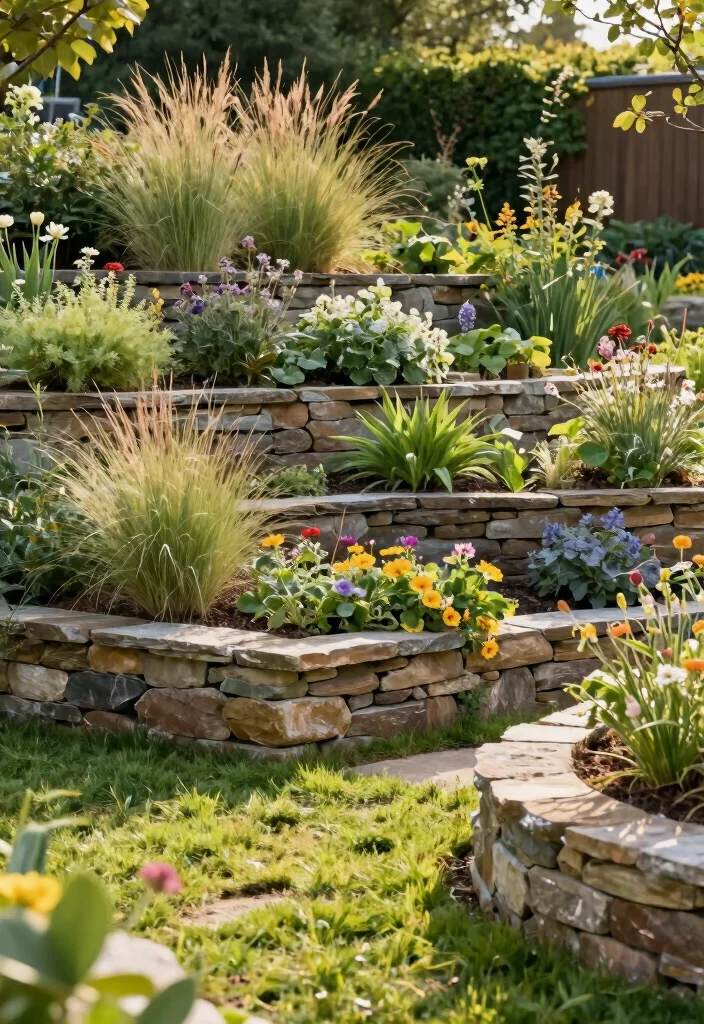
A well-executed sloped retaining wall can transform an uneven landscape into a beautiful garden sanctuary. This design effectively manages runoff while providing opportunities for planting diverse species. By creating levels that accommodate different plants, you can encourage a thriving ecosystem in your backyard.
Incorporating steps for easy access will enhance the usability of your landscape. This dynamic design adds depth and visual interest, making your garden more inviting.
Consider these elements for your sloped wall:
– Plan the layout carefully for stability.
– Use proper drainage behind the wall.
A sloped retaining wall enhances the beauty of your backyard while creating functional spaces for gardening and outdoor enjoyment.
Sloped Retaining Walls
Editor’s Choice


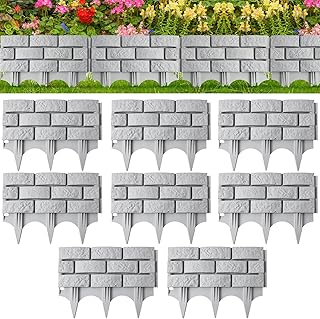

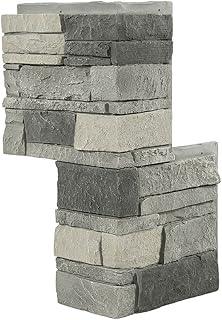
13. Sustainable Composite Materials
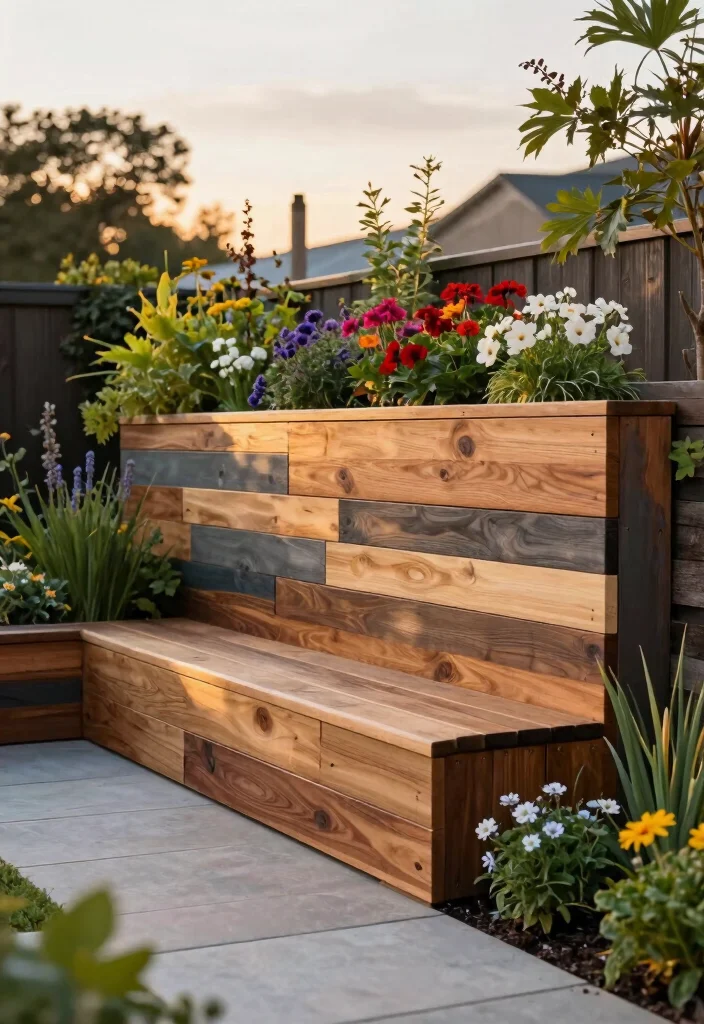
Utilizing composite materials, made from recycled wood and plastic, is a sustainable choice for your retaining walls. These materials mimic the look of real wood while offering enhanced durability against weathering. Choosing composites reduces the need for new resources, making it an environmentally friendly option.
Consider selecting composite materials in various colors to match your garden’s aesthetic. You can create unique patterns or include built-in seating along the wall for added functionality.
Consider these tips for your composite installation:
– Ensure a solid foundation for the composite materials.
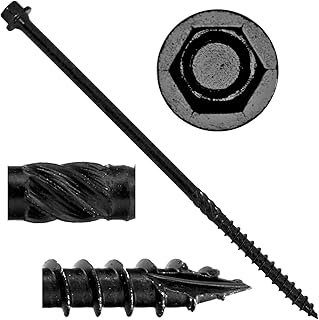
– Use screws specifically designed for composites for secure installation.
A composite retaining wall provides a practical and stylish solution that aligns with eco-conscious practices, making it a fantastic addition to any sustainable landscape.
14. Flexible Landscape Edging
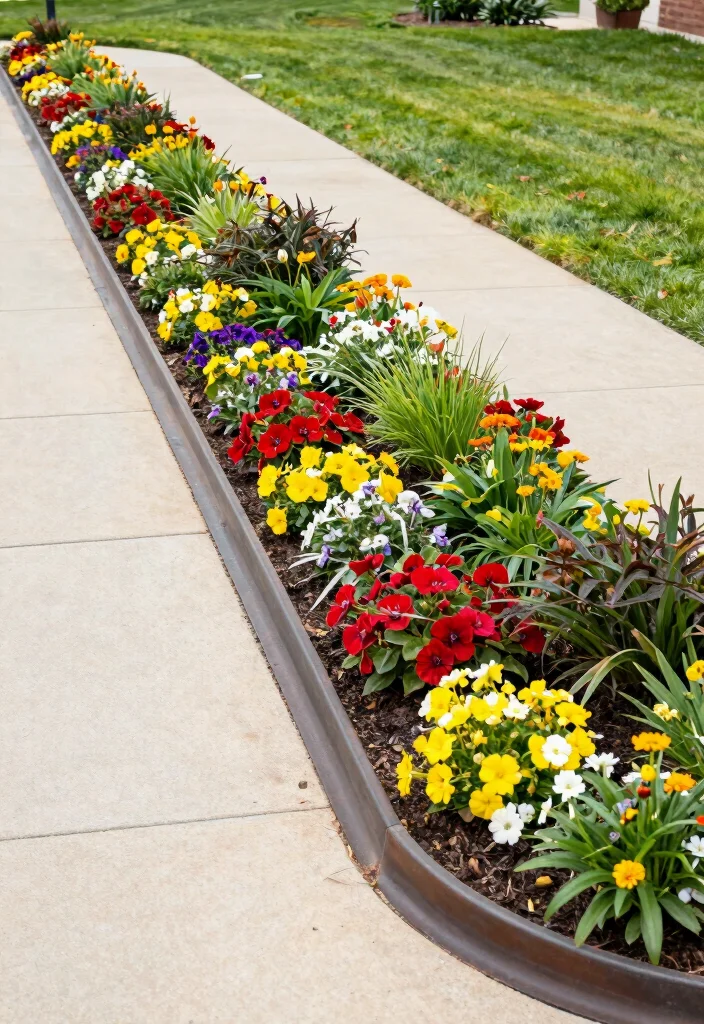
Flexible landscape edging is a creative solution for defining garden beds and controlling soil erosion. With materials like rubber, metal, or plastic, you can create visually appealing boundaries that complement your backyard’s style. This versatility allows for easy adjustments as your landscape needs evolve.
Combining different edging materials can provide a unique look or pairing them with vibrant plants can enhance your garden’s color. This approach is cost-effective and can be installed easily for immediate results.
Consider these tips for your landscape edging:
– Choose durable materials for long-lasting results.
– Ensure a secure fit to prevent shifting over time.
Flexible landscape edging provides a practical solution for organizing your garden while enhancing the overall aesthetics of your outdoor space.
15. Leafy Green Dividers
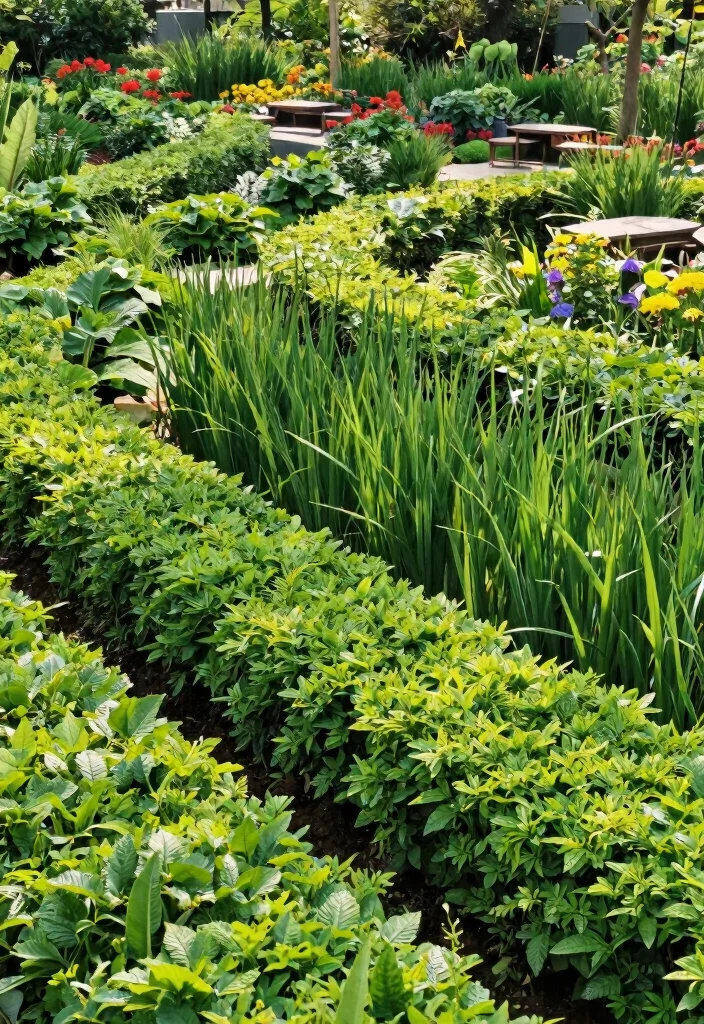
Using leafy green plants as natural dividers creates a soft and inviting boundary in your garden. This method allows for separation of spaces without the starkness of traditional walls, promoting a seamless transition between areas. The lush greenery softens the landscape and enhances the overall atmosphere.
Consider using tall grasses, flowering shrubs, or climbing vines to achieve the desired effect. This natural barrier not only protects delicate plants but also provides shade for seating areas, creating an inviting environment.
Consider these tips for your green dividers:
– Choose plants suited to your climate for longevity.
– Plan the layout for a dense and effective divider.
Leafy green dividers promote a refreshing environment, creating a peaceful atmosphere while enhancing your backyard’s beauty.
Conclusion
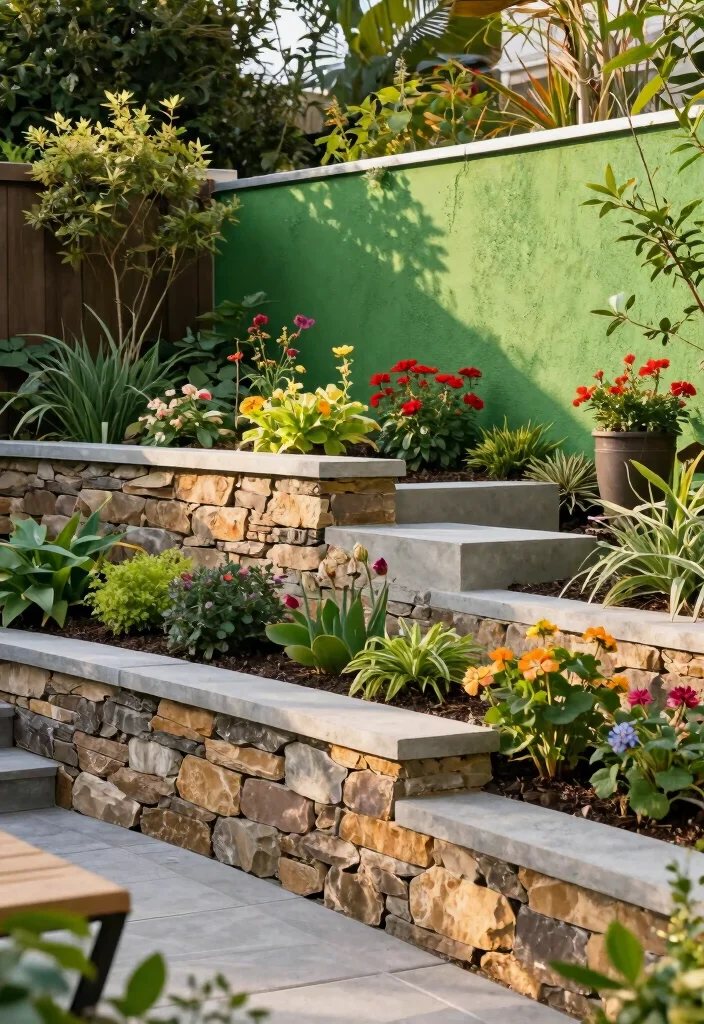
Transforming your backyard with these retaining wall ideas can significantly enhance your outdoor living space while promoting sustainability. From natural stone to innovative green walls, there’s a design that fits every style and preference.
Consider how each option aligns with your vision and sustainable practices, and remember that a well-designed retaining wall not only provides structure but also adds beauty and functionality to your garden. Embrace creativity in your landscape, and enjoy your stunning new space!
Note: We aim to provide accurate product links, but some may occasionally expire or become unavailable. If this happens, please search directly on Amazon for the product or a suitable alternative.
This post contains Amazon affiliate links, meaning we may earn a small commission if you purchase through our links, at no extra cost to you.
Frequently Asked Questions
What are the best sustainable materials for a backyard retaining wall that still looks stylish?
If you’re exploring backyard retaining wall ideas, choose materials that are durable, locally sourced, and low maintenance. Top options include locally quarried natural stone, recycled concrete blocks, and rot‑resistant timber like cedar or composite sleepers. When selecting retaining wall materials, aim for colors and textures that fit your landscape design and garden aesthetics.
Practical steps: assess the slope, install proper drainage with a perforated pipe and gravel, use geotextile fabric, and backfill with stable material. Add vegetated terraces to improve stormwater management and create outdoor living spaces with built‑in seating and planters.
How can I design a backyard retaining wall to enhance outdoor living spaces and garden aesthetics?
Start with a plan: choose a style that matches your home (modern, rustic, or natural), map the slope, and decide on the number of tiers. Use the wall to frame a patio, add built‑in seating or planters, and thread in lighting for ambience.
Practical steps: 1) sketch zones, 2) pick materials that complement your home, 3) ensure drainage behind every wall, 4) plant for erosion control, 5) add lighting and seating to complete the look. This aligns with landscape design and outdoor living spaces goals.
What height and drainage considerations should I know to keep a retaining wall safe and long‑lasting?
Most residential walls under 3–4 feet can be built with proper footings; for anything taller, hire a structural engineer and check local permits and codes.
Drainage is critical: install a perforated pipe with gravel behind the wall, add geotextile fabric to prevent soil clogging, and make sure the wall has a slight slope away from structures. Choose backfill that’s free of large rocks and compact in layers to reduce settlement.
What maintenance tips help a sustainable retaining wall stay beautiful with less upkeep?
To keep it low‑maintenance and sustainable: inspect after storms for movement or cracks; keep joints clean and re‑point if needed; ensure drainage is flowing freely; trim plants so roots don’t lift the wall; refresh mulch and soil to prevent erosion; seal or treat wood every few years; replace damaged blocks promptly. This approach supports garden aesthetics and landscape design longevity while minimizing upkeep.
Can I create a small, stylish backyard using tiered walls without sacrificing garden aesthetics?
Absolutely. Tiered walls create depth and define zones in small spaces. Use narrow terraces with low‑profile caps, built‑in seating, and planters to maximize planting area. Pick a cohesive material palette that matches your home and retaining wall materials. Add lighting and a simple path to tie the space together, making the most of outdoor living spaces even in a compact yard.
Practical steps: start with two 1–2 foot tiers, choose drought‑tolerant plantings for low maintenance, and ensure drainage works with your slope.