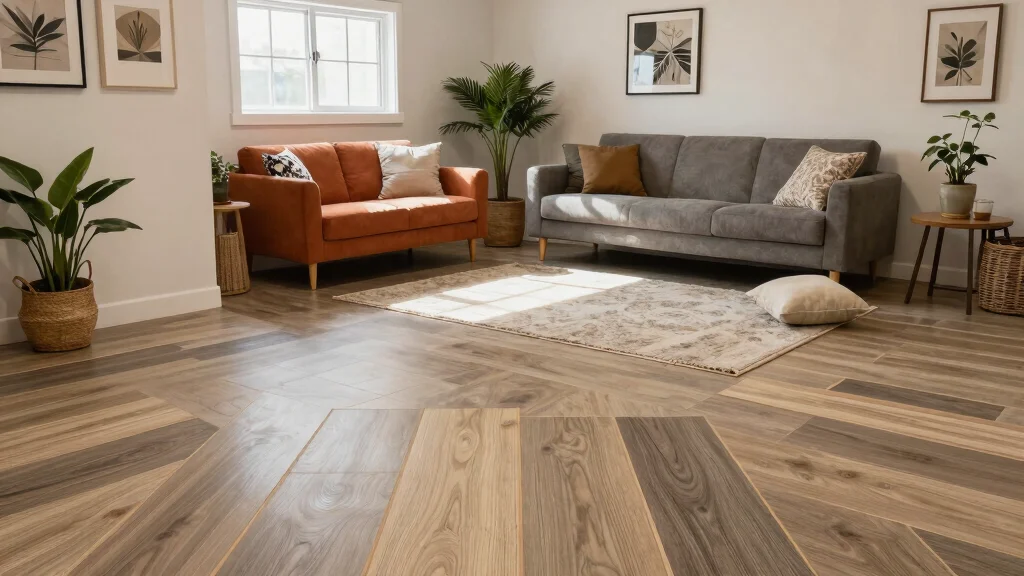
Renovating your basement can feel daunting, especially if you’re on a tight budget. You might be looking for ways to turn that cold, empty space into a cozy hangout or a functional area without breaking the bank. That’s why I created this post—to share some reliable and affordable basement flooring ideas that will stand the test of time.
If you’re a homeowner eager to refresh your basement but worried about your wallet, you’re in the right place. Whether you’re a DIY enthusiast or just want to make some budget-friendly updates, this guide is tailored for you. I’ve gathered ten cheap yet stylish basement flooring options that are not only easy on the budget but also durable enough to withstand daily wear and tear.
Get ready to discover flooring ideas that are practical, chic, and perfect for any basement transformation. You’ll find options that fit your style and your financial plan. Let’s dive into these creative flooring solutions so you can bring your vision to life!
Key Takeaways
– Diverse Options: Explore ten different cheap basement flooring ideas, each offering unique benefits to fit your style and needs.
– DIY-Friendly: Many of these flooring types are suitable for DIY projects, making it easier and more affordable to transform your space.
– Durability Matters: You’ll find flooring materials that are not only budget-friendly but also durable enough to last for years.
– Style on a Budget: Discover how stylish low-cost flooring can elevate your basement without compromising on aesthetic appeal.
– Practical Tips: Gain insights on installation and maintenance to ensure your chosen flooring keeps looking great over time.
1. Vinyl Plank Flooring
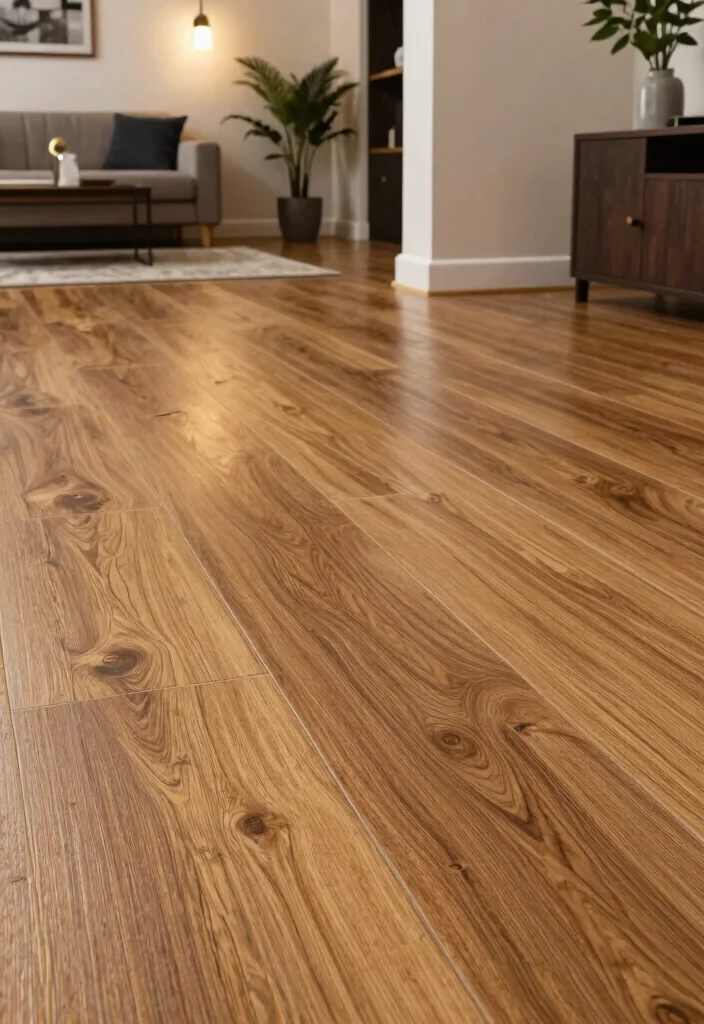
Vinyl plank flooring stands out as an ideal choice for basement spaces due to its blend of resilience and aesthetic appeal. This flooring option is water-resistant and easy to install, providing a perfect solution for areas prone to moisture. With a wide array of styles and colors available, you can achieve the look of real wood without breaking the bank, enhancing the warmth and character of your basement environment.
To make the most of vinyl plank flooring, consider the ease of DIY installation, which can save you money on labor costs. You might also explore budget-friendly options at local retailers or online that mimic high-end finishes to suit your taste.
Consider these tips for a successful installation:
– Pair light oak planks with darker furniture for contrast.
– Install waterproof vinyl planks in areas prone to spills.
– Use planks with wood grain patterns to add warmth.
This flooring solution not only serves a practical purpose but also enhances your basement’s decor, providing a stylish yet durable foundation.
Vinyl Plank Flooring
Editor’s Choice




2. Carpet Tiles
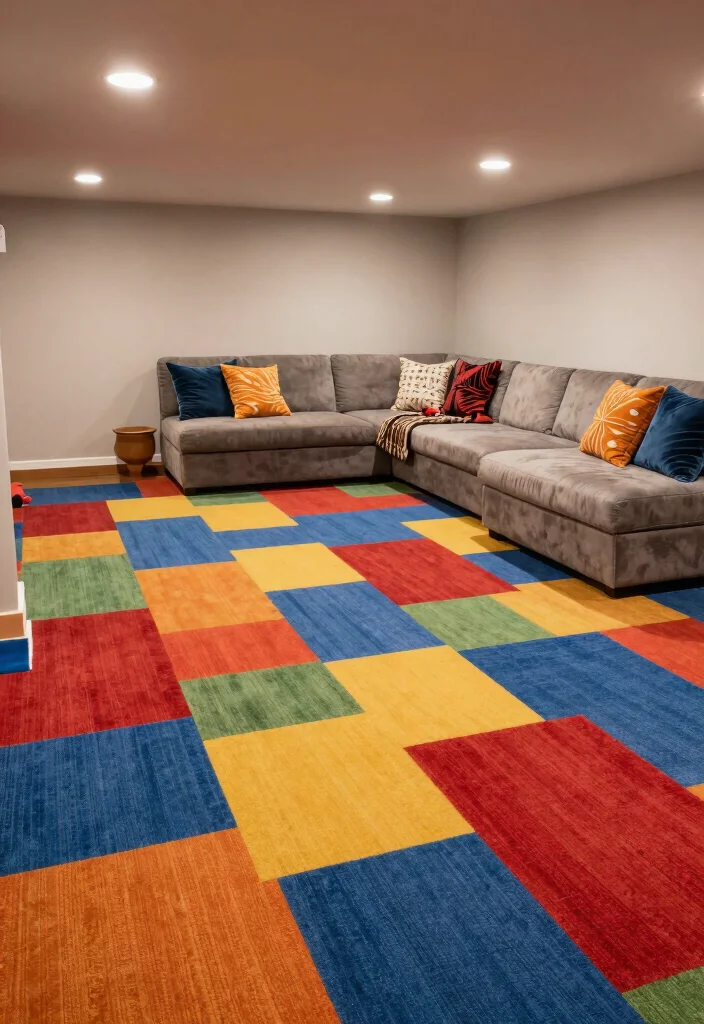
Carpet tiles are a versatile and economical flooring choice that brings comfort and style to your basement. These tiles come in an impressive variety of colors and patterns, allowing you to create a personalized look. If one tile becomes stained or damaged, you can easily replace it, making maintenance a breeze and saving you money in the long run.
For practical use, start with a color scheme that complements your existing decor while being playful enough for a family space. You can often find affordable carpet tiles at discount retailers or online, ensuring you stay within your budget.
Here’s how to make the most of carpet tiles:
– Start by centering your layout for a balanced look.
– Use double-sided tape for easy future changes.
– Consider high-traffic adhesive in busy areas.
With carpet tiles, you can achieve a cozy atmosphere in your basement, blending style with comfort effortlessly.
Carpet tiles make basement upgrades feel doable and cheap. If one tile stains or wears, you just swap it out—no heavy ripping, no mess—and you can mix colors to match your decor for a cozy, family-friendly space.
Carpet Tiles
Editor’s Choice


3. Laminate Flooring
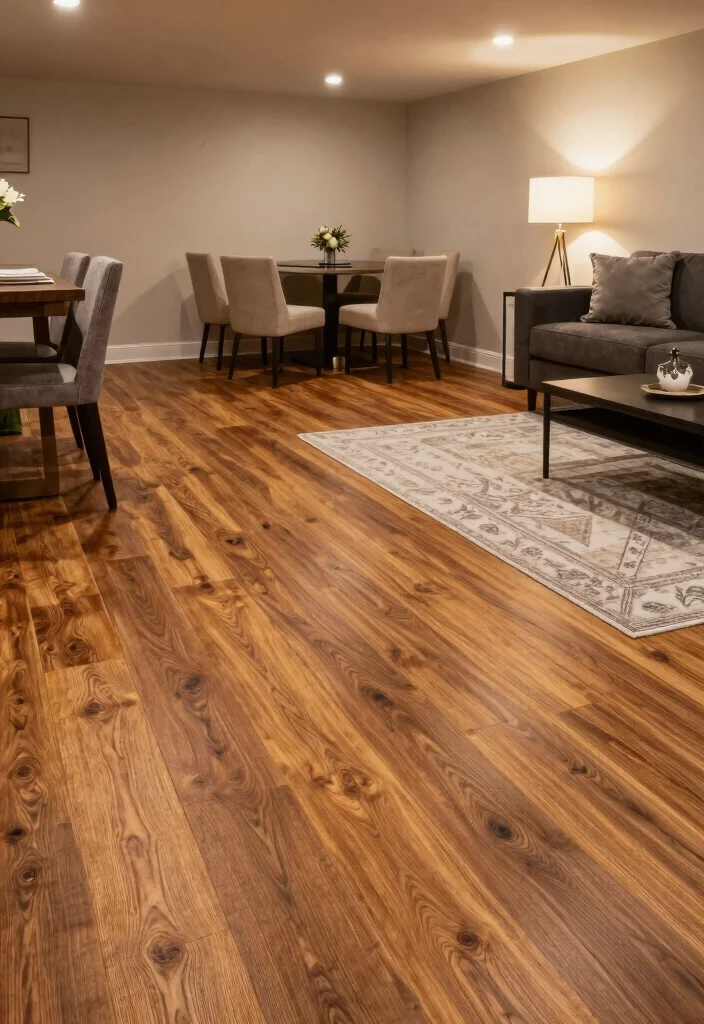
Laminate flooring is a smart and affordable alternative that replicates the beauty of hardwood or stone. Its durability and scratch-resistant surface make it ideal for areas with heavy foot traffic, ensuring your basement remains stylish and functional. Plus, laminate is easy to clean, helping you maintain a fresh and inviting space.
To implement laminate flooring effectively, consider using a foam underlayment for added comfort and sound dampening. You can find a range of budget-friendly options at home improvement stores, allowing you to enjoy the look of luxury without overspending.
Keep these installation tips in mind:
– Acclimate laminate planks for 48 hours before installation.
– Use a foam underlayment to enhance comfort.
– Pay attention to plank direction for visual space enhancement.
Laminate flooring elevates your basement’s appeal while being a practical choice, merging affordability with elegance.
Laminate Flooring
Editor’s Choice


4. Painted Concrete
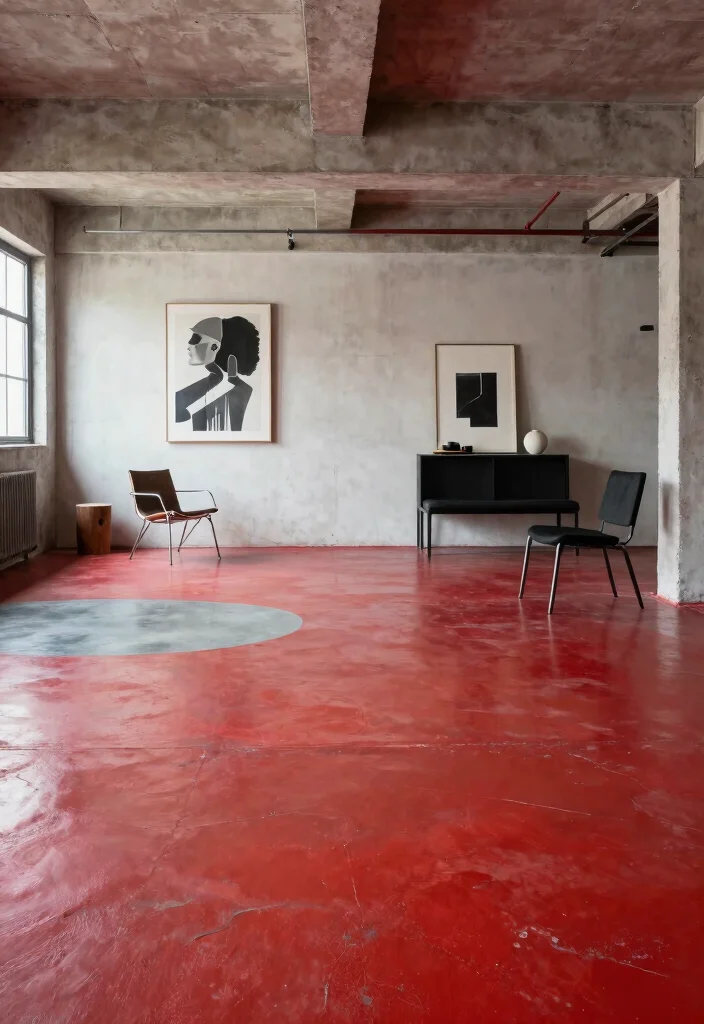
Painted concrete is an innovative and budget-friendly option for achieving a sleek, modern look in your basement. This versatile flooring can work perfectly in contemporary spaces or home gyms, and with an array of color choices, you can create a visually striking surface that reflects your personal style.
To maximize this option, ensure you use high-quality concrete paint for durability, and consider using stencils to add unique patterns that resonate with your design vision. It’s an affordable way to rejuvenate your space while keeping maintenance low.
Here are some practical tips for painted concrete:
– Clean the surface thoroughly before applying paint.
– Choose a high-quality concrete paint for lasting effects.
– Apply a sealant to protect against moisture.
Painting concrete allows you to personalize your basement effortlessly while enjoying a low-maintenance flooring solution that stands the test of time.
Painted Concrete
Editor’s Choice


5. Rubber Flooring
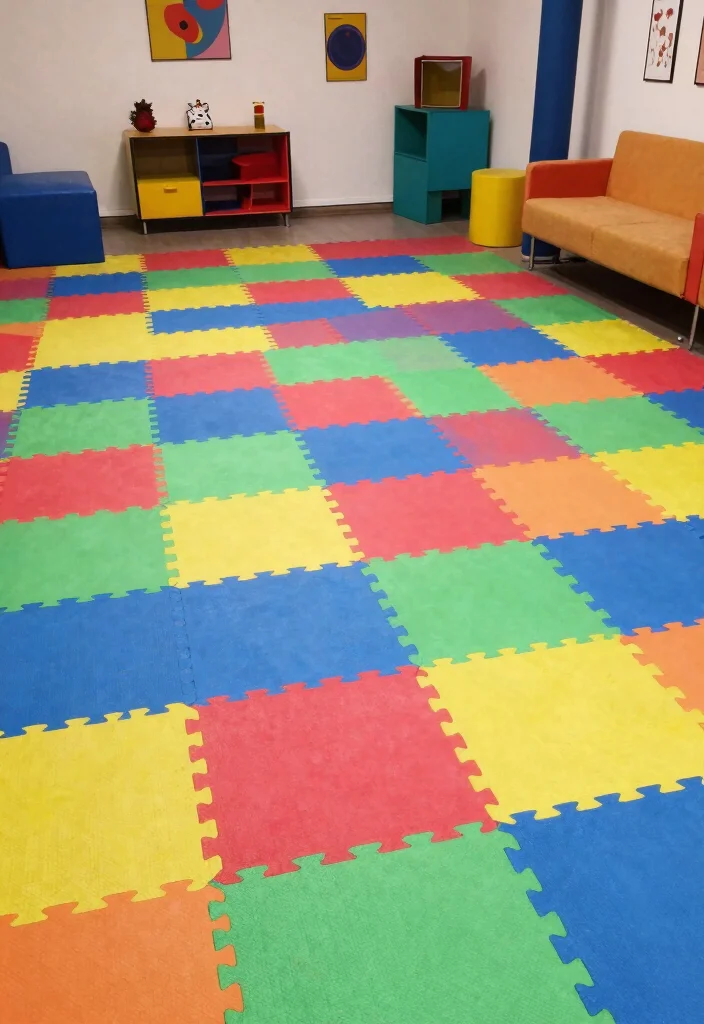
Rubber flooring is an unexpected yet practical choice for your basement, especially if you have children or plan to use it as a workout area. This resilient material offers a soft, cushioned surface that is also easy to clean and maintain, making it a smart addition to any home.
For installation, you can find rubber tiles in various colors and designs at affordable prices, allowing you to create a playful or sophisticated atmosphere. Using interlocking tiles can simplify the installation process and make future changes easier.
Consider these tips for your rubber flooring:
– Ensure the surface is clean and dry before installation.
– Use adhesive for a secure and lasting finish.
– Consider interlocking tiles for ease of installation.
Rubber flooring strikes a perfect balance between functionality and style, ensuring your basement is both practical and inviting.
6. Cork Flooring
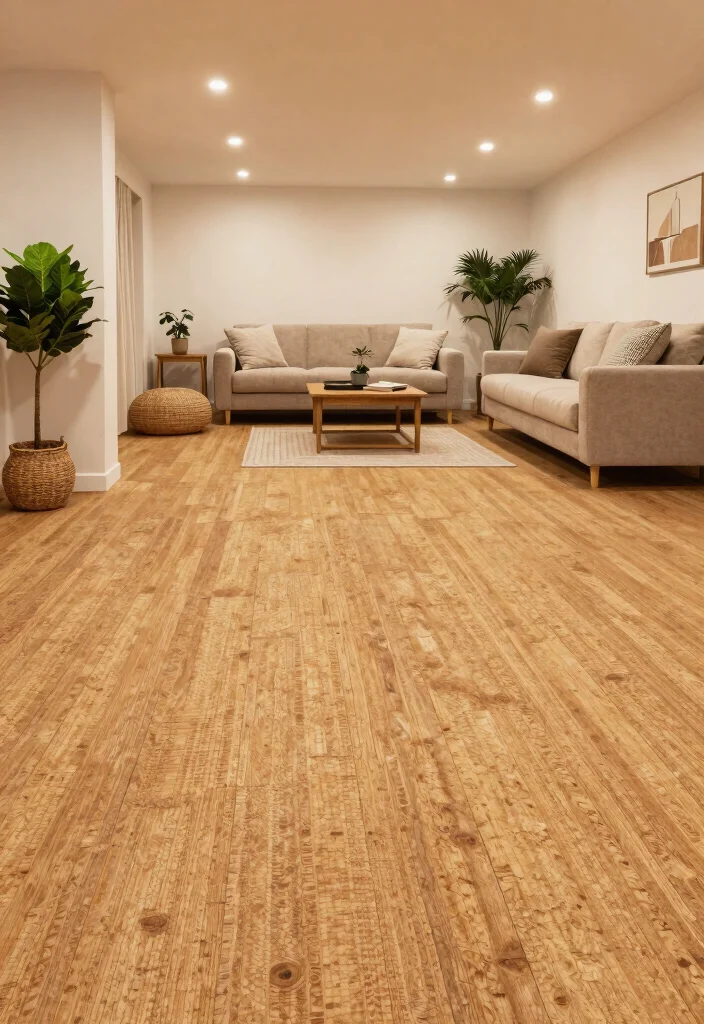
Cork flooring is an eco-friendly choice that adds warmth and comfort to your basement. Known for its excellent insulation properties, cork is naturally resistant to mold and mildew, making it particularly suitable for moist environments. Its unique texture brings a touch of nature indoors, enhancing the overall aesthetic of your space.
When implementing cork flooring, look for options that come with a pre-attached underlayment to simplify installation and improve comfort. This sustainable choice is becoming more widely available, making it accessible for budget-conscious homeowners.
Keep these installation tips in mind:
– Ensure the subfloor is level and clean for best results.
– Use a cork underlayment for added cushioning.
– Opt for floating cork floors for easier installation.
Cork flooring not only serves a practical purpose but also enhances your basement’s decor with its natural beauty and sustainability.
Key Trade-offs & Our Top Pick
Vinyl Plank Flooring
– Pros: ✔ Water-resistant, ✔ Easy to install, ✔ Available in many styles
– Cons: ❌ Can scratch easily, ❌ May fade in direct sunlight, ❌ Lower-end options may feel cheap
– Best for: This option works well for families with kids or pets who need durable and easy-to-clean flooring.
Carpet Tiles
– Pros: ✔ Soft underfoot, ✔ Easy to replace individual tiles, ✔ Variety of colors and patterns
– Cons: ❌ Can absorb moisture, ❌ Not the best for high-traffic areas, ❌ Requires regular cleaning
– Best for: Ideal for creating a cozy space like a playroom or a home theater in the basement.
Laminate Flooring
– Pros: ✔ Affordable, ✔ Mimics hardwood look, ✔ Scratch and dent resistant
– Cons: ❌ Not water-resistant, ❌ Can warp with moisture, ❌ Difficult to repair if damaged
– Best for: Suitable for lower-budget renovations where you want the appearance of hardwood without the cost.
Painted Concrete
– Pros: ✔ Super budget-friendly, ✔ Easy to customize colors, ✔ Durable and low maintenance
– Cons: ❌ Can be slippery when wet, ❌ Paint may chip over time, ❌ Requires proper preparation before painting
– Best for: Great for a cost-effective, modern look, especially if your basement has a lot of concrete.
Rubber Flooring
– Pros: ✔ Very durable, ✔ Reduces noise, ✔ Easy to clean
– Cons: ❌ Can be expensive, ❌ Limited styles, ❌ May emit strong odors when new
– Best for: Highly suitable for basements turned into gyms or play areas where safety and durability are essential.
Expert Recommendation: Best Overall: Vinyl Plank Flooring
Vinyl plank flooring stands out as the best overall option for most homeowners. It offers excellent value for money due to its affordability and durability. With a wide range of styles available, you can easily find a look that fits your basement design. Plus, its water resistance makes it suitable for basements prone to dampness, ensuring that you won’t have to worry about mold or damage over time. 🏡
Why We Picked This:
While vinyl plank flooring is a solid choice, others might prefer different options based on their specific needs. For instance, if you want something softer underfoot, carpet tiles could be a better fit. Alternatively, if you plan to use the space as a gym, rubber flooring might provide the best safety and durability. Consider your lifestyle and the intended use of the basement to find the perfect flooring solution!
7. Engineered Hardwood
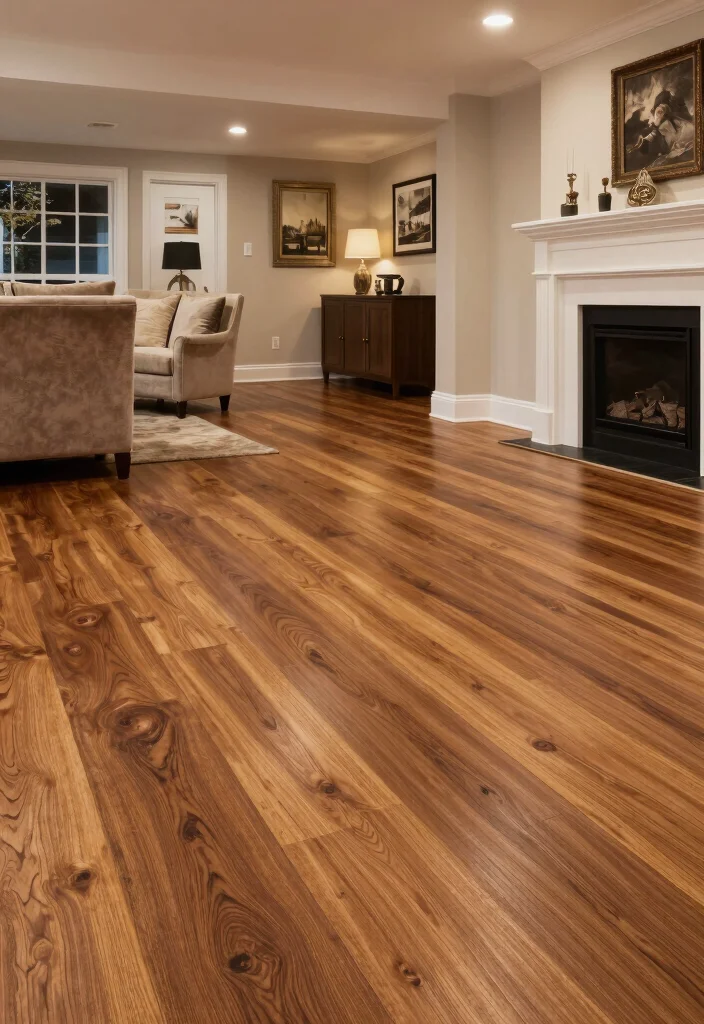
Engineered hardwood provides the elegance of traditional hardwood flooring while being more resilient to moisture, making it a great fit for basements. With a top layer of genuine wood, you can enjoy the aesthetic of hardwood without the associated maintenance challenges, perfect for those wanting to elevate their space.
For practical implementation, consider a click-lock installation system for an easy DIY approach, and don’t forget to lay a moisture barrier for added protection. This flooring option is gaining popularity among homeowners looking for both beauty and durability.
Here are some helpful installation tips:
– Acclimate planks before starting your project.
– Lay a moisture barrier if needed.
– Use a click-lock system for quick installation.
Engineered hardwood flooring adds sophistication to your basement, offering a stunning visual while being budget-friendly and durable.
8. Bamboo Flooring
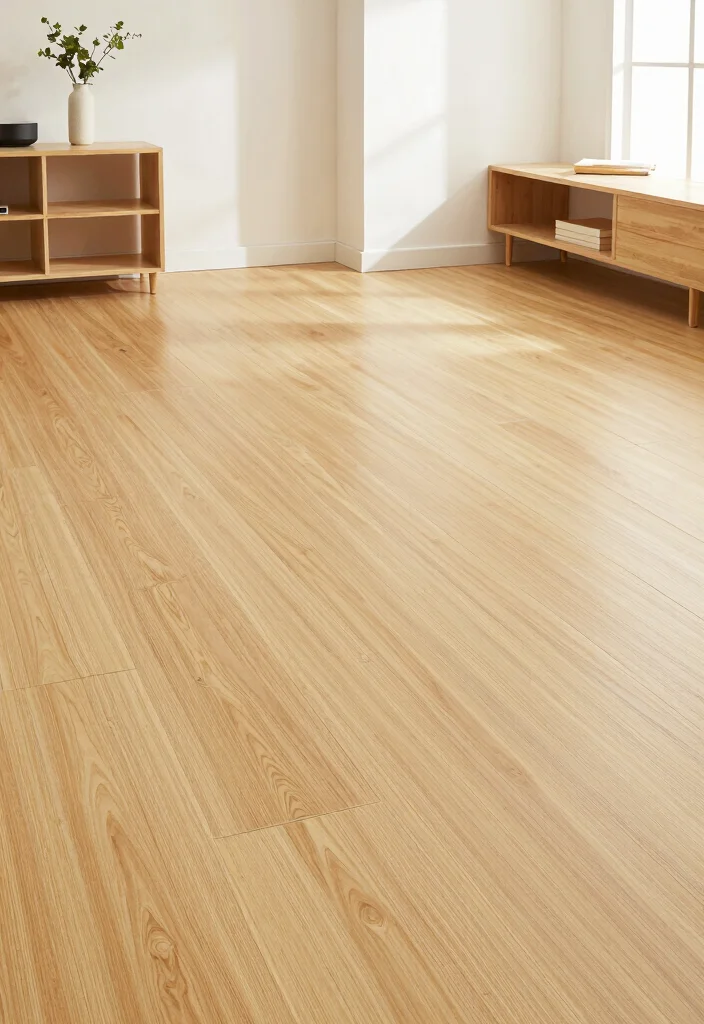
Bamboo flooring is an exciting, sustainable option that stands out for its natural beauty and durability. Its rapid growth makes it an eco-friendly choice, and its inherent moisture resistance makes it particularly suitable for basements. Available in various colors and finishes, bamboo can easily complement your home’s aesthetic while providing a sturdy foundation.
To install bamboo flooring, ensure proper acclimation to avoid warping and consider using a quality underlayment for added stability. This option is both stylish and strong, appealing to those who prioritize environmental considerations in their home design.
Follow these tips for successful bamboo flooring installation:
– Acclimate bamboo before installation.
– Use a quality underlayment for stability.
– Follow manufacturer guidelines for best practice.
Bamboo flooring can create a modern, airy feel in your basement while remaining durable and cost-effective.
Fun fact: Bamboo grows incredibly fast—new shoots reach full height in just 3-5 years, making it a renewable flooring option. For basement flooring ideas cheap, bamboo offers natural moisture resistance and a sturdy foundation when properly acclimated and installed.
9. Luxury Vinyl Tile (LVT)
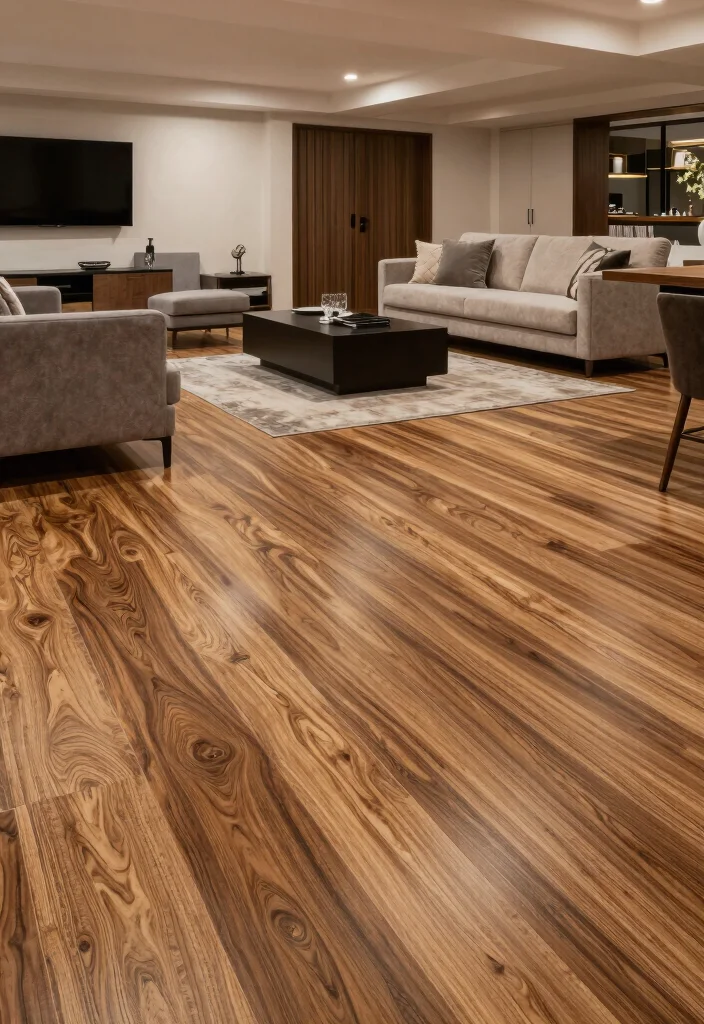
Luxury Vinyl Tile (LVT) offers an attractive and affordable flooring alternative that mimics the look of high-end materials like stone or hardwood. It’s designed to withstand moisture and heavy foot traffic, making it an ideal choice for basement environments. With a variety of styles available, LVT is easy to maintain, ensuring your space remains looking fresh.
To effectively use LVT, ensure your subfloor is properly prepared for a smooth finish, and consider leveling compounds for uneven surfaces. This flooring option allows you to achieve a stylish look without the hefty price tag.
Here are some installation tips for LVT:
– Prepare the subfloor adequately for best results.
– Use a leveling compound if needed.
– Follow recommended installation methods for success.
Luxury vinyl tile adds elegance to your basement while being exceptionally durable, making it a smart and stylish investment.
Luxury Vinyl Tile (LVT)
Editor’s Choice


10. Epoxy Flooring
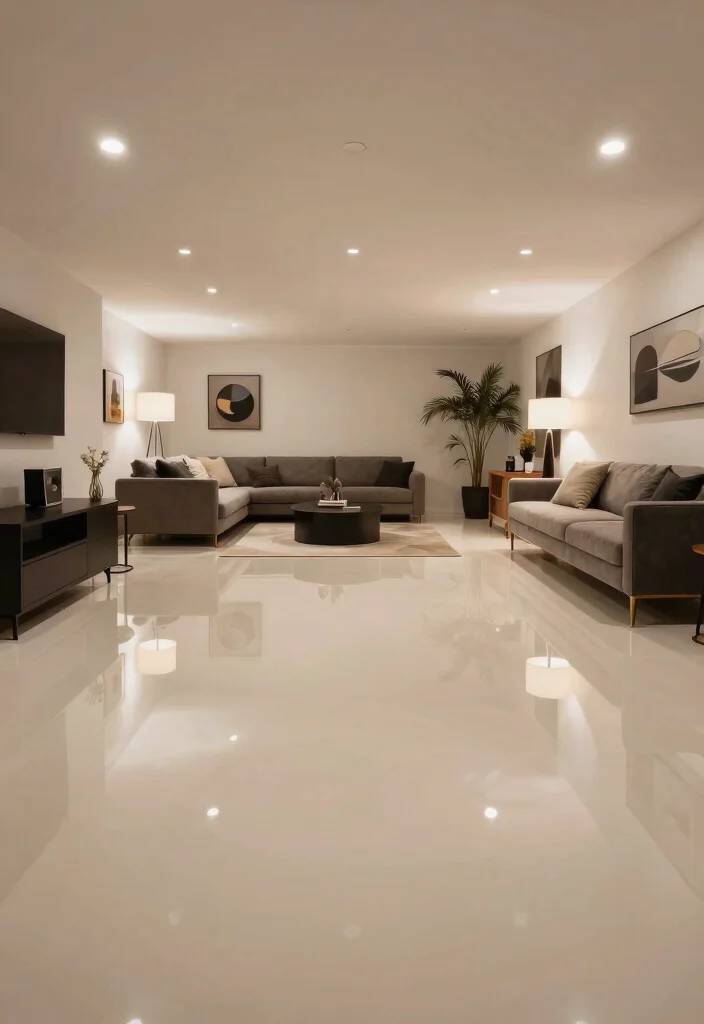
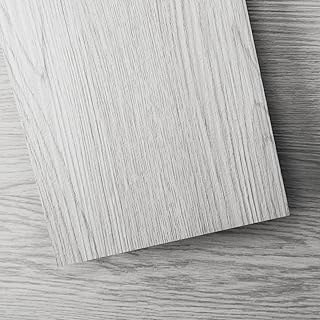
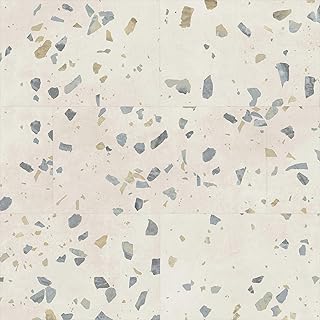
Epoxy flooring delivers a polished, professional finish that can elevate your basement’s overall aesthetic. This durable flooring option is resistant to stains and easy to clean, making it perfect for busy households. With a wide range of colors and finishes available, epoxy allows you to customize your space with unique designs and patterns.
For installation, thorough preparation of the concrete surface is key, and following specific product guidelines will help achieve the best results. This highly durable choice is perfect for those seeking a long-lasting and visually appealing solution.
Consider these installation tips:
– Prepare the concrete surface thoroughly.
– Follow mixing and application guidelines closely.
– Allow proper curing time for durability.
With epoxy flooring, you can achieve a sleek, modern look in your basement that withstands everyday wear and tear while being budget-friendly.
Epoxy flooring is a budget-friendly upgrade that actually lasts. For cheap basement flooring ideas, with proper prep and seal coats you can achieve a durable, stain-resistant floor in a weekend—and pick colors that fit any style.
Conclusion
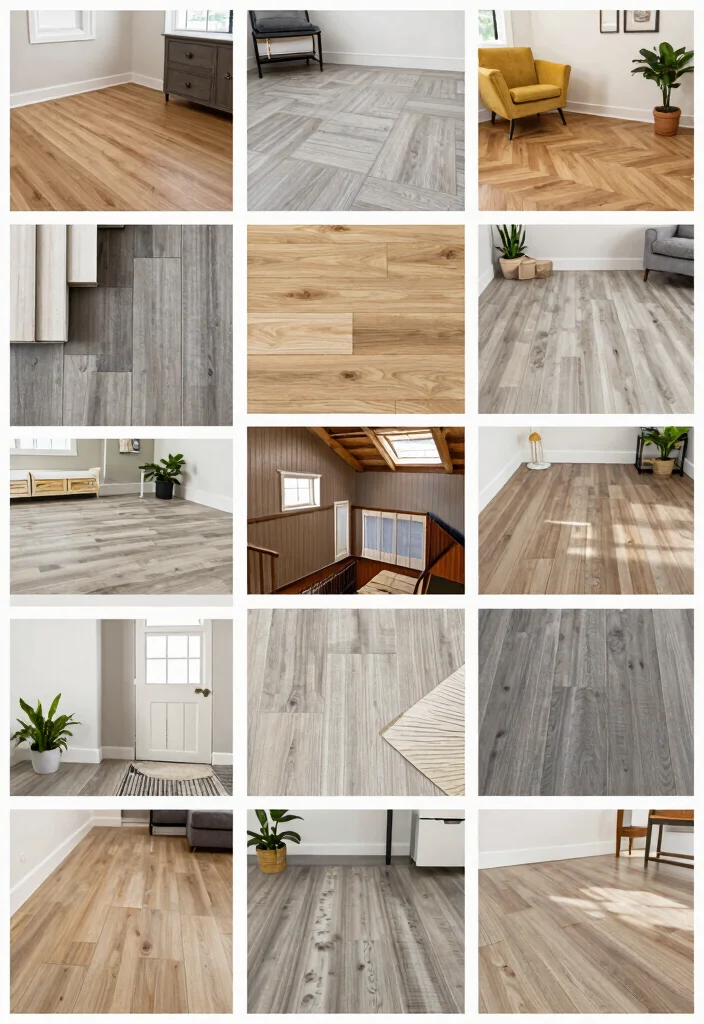
Choosing the right flooring for your basement can transform an underutilized space into the highlight of your home. With these ten budget-friendly options, you can create a stylish and durable environment that meets your needs. Whether you lean towards cozy carpet tiles or sleek epoxy, you can achieve your dream basement without breaking the bank. Explore your options, consider your style, and get ready to enjoy a beautiful new space!
Note: We aim to provide accurate product links, but some may occasionally expire or become unavailable. If this happens, please search directly on Amazon for the product or a suitable alternative.
This post contains Amazon affiliate links, meaning we may earn a small commission if you purchase through our links, at no extra cost to you.
Frequently Asked Questions
What are the best cheap basement flooring ideas that still look stylish and hold up well?
If you’re after basement flooring ideas cheap that still look polished, try these durable, affordable options.
Luxury Vinyl Plank (LVP) or interlocking vinyl tile are popular affordable flooring options that resist moisture and scrub easily. They’re a breeze for a budget-friendly basement design and can be installed by DIYers in a weekend. Remember to install a proper moisture barrier and a thin underlayment for best results.
Concrete with stain or a clear epoxy coating also ranks among durable flooring materials that you can DIY, giving you a modern, seamless look without breaking the bank.
Carpet tiles offer warmth and easy replacement in damp spaces, making them a practical, stylish low-cost flooring option for basements with a lot of foot traffic.
How do I choose affordable and durable basement flooring options for a DIY basement renovation?
To choose affordable and durable options for a DIY basement renovation, start with moisture and subfloor checks.
Test the slab for moisture and cracks, then seal as needed. For DIY-friendly, budget-conscious choices, go with affordable flooring options like vinyl plank, vinyl tile, or epoxy coatings. Pair them with a moisture barrier and a suitable underlayment to improve comfort and prevent squeaks. Compare price per square foot, consider installation difficulty, and choose products rated for below-grade use with good warranties. This approach keeps your basement renovation affordable while ensuring long-lasting wear.
Which DIY-friendly, budget-friendly basement flooring ideas are easiest to install?
Want DIY-friendly options that save money and time? Try these easy-install ideas:
1) Peel-and-stick vinyl plank or interlocking vinyl tiles: quick, glue-free, and forgiving for uneven slabs. 2) Painted or stained concrete: clean, affordable, and you can customize with color or decorative patterns. Seal with a polyurethane or epoxy sealer for durability. 3) Epoxy floor coatings: DIY kits exist; apply in thin coats for a seamless, durable finish. 4) Carpet tiles: simple to cut and replace with a utility blade. Each option minimizes tools and labor while delivering a fresh look.
What durable flooring materials work best in basements with moisture or temperature changes?
Basements with moisture and temperature swings perform best with truly water-resistant, stable materials:
• Luxury Vinyl Plank or Tile with a waterproof core: highly durable and less prone to swelling.
• Ceramic or Porcelain Tile over a moisture barrier and suitable underlayment: very long-lasting, but requires proper installation to avoid cracks.
• Epoxy floor coatings: seamless, chemical resistant, and can handle temperature changes, provided you prepare the slab well.
• Polished concrete with penetrating sealers: affordable and durable, especially when combined with an evaporative sealant.
Always address moisture first and ensure proper drainage, sealing, and ventilation to keep basements dry.
How can I maximize style and durability on a tight budget?
Mix function and design with these budget-savvy tips:
• Choose a neutral, timeless base and add visual interest with texture: use stylish low-cost flooring like LVP with woodgrain, or tile patterns.
• Recessed color: paint concrete or add colored epoxy to bring character without costly finishes.
• Use area rugs or carpet tiles strategically to define zones and add warmth without covering the entire floor.
• Wake the room with contrast trim or transitions; pair lighter walls with darker flooring.
• Shop around for sales, consider discontinued lines, and factor in installation since DIY can save a lot. This approach blends budget-friendly basement design with durable, durable flooring materials.