Renovating a low ceiling basement can often feel like a daunting task. Limited height can make your space feel cramped and uninviting, but it doesn’t have to stay that way. I created this guide because I know that with the right ideas and tips, you can turn this often-overlooked space into something truly special. Whether you’re looking to create a cozy hideaway, an entertainment hub, or a functional workspace, your basement can shine with the right approach.
If you’re a homeowner, a DIY enthusiast, or someone simply looking to enhance your living space, this post is for you. You might be grappling with the challenge of small spaces, wondering how to make the most of your low ceiling basement. The good news is that you are not alone. Many people face this issue, and with a little creativity and some smart design choices, you can achieve fantastic results.
In this post, you’ll discover 16 effective low ceiling basement renovation ideas that actually work. Each idea is designed to help you embrace your space, utilizing tips on design and decor that are functional, stylish, and inspiring. From clever lighting solutions to creative ceiling treatments, get ready to transform your basement into a welcoming area that reflects your unique style.
Key Takeaways
– Embrace Light Colors: Use light paint shades to make the space feel larger and more inviting; this simple trick can significantly brighten your basement.
– Use Vertical Lines: Introduce vertical design elements like stripes or tall shelving to draw the eye upward, creating the illusion of higher ceilings.
– Multi-Functional Furniture: Invest in furniture that serves multiple purposes, such as a sofa bed or an ottoman with storage, to maximize your space effectively.
– Layered Lighting: Incorporate various light sources, such as floor lamps, wall sconces, and overhead lights, to create a warm and inviting atmosphere while also adding depth to the room.
– Personalize with Decor: Add personal touches through decor items like wall art, plants, and decorative pillows to make the space feel like home while enhancing its character.
1. Embrace Light Colors
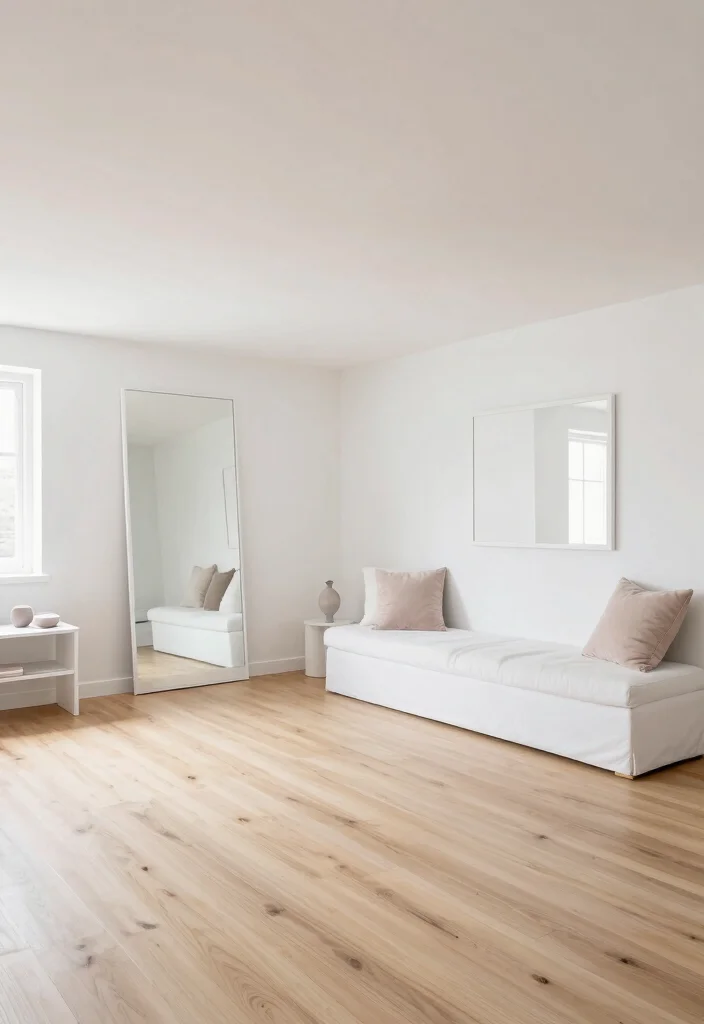
Utilizing light colors in your low ceiling basement can dramatically enhance its overall vibe.
Soft whites, gentle blues, and pale grays open up the space, creating an inviting atmosphere. These shades reflect light, preventing the room from feeling cramped. You can also mix in glossy paint finishes like satin to amplify the brightness.
To enhance this effect, consider light-colored flooring options, such as ash wood or ivory carpets, which further contribute to the airy ambiance.
Tips:
– Paint the ceiling the same color as the walls for a cohesive look.
– Use white furniture to keep the space feeling expansive.
– Incorporate mirrors to bounce light and create depth.
Cost Breakdown & Budget Planning
Renovating a low ceiling basement can be a rewarding project, but it’s essential to plan your budget carefully. A clear breakdown of costs will help you make informed decisions and stay within your financial limits. Let’s dive into what you can expect to spend.
Cost Breakdown by Category:
– Materials/Products: Expect to spend between $2,000 to $5,000 depending on the quality and type of materials you choose. This includes flooring, paint, drywall, and ceiling treatments.
– Tools/Equipment: If you’re planning a DIY approach, budget around $200 to $600 for tools. This includes essentials like saws, drills, and paint supplies.
– Labor/Professional Installation: Hiring professionals can cost between $1,500 to $4,000. Prices vary based on location and the complexity of your renovation.
– Optional Extras: If you want to add features like custom cabinetry or built-ins, set aside an additional $1,000 to $3,000.
Budget Tier Breakdown
Basic Economy Tier $
– What’s included: This tier covers the basics like paint, low-cost flooring, and minimal lighting. You’ll likely rely on DIY methods for installation.
– Good for: Homeowners on a tight budget or first-time renovators.
– Limitations: You might miss out on high-quality materials and custom features that enhance functionality and aesthetics.
Mid-Range Tier $$
– What’s included: A balanced approach with mid-range materials, some professional help, and thoughtful design elements like basic built-ins or upgraded lighting.
– Good for: Most families looking for a comfortable and functional space without breaking the bank.
– Best value for: Achieving a stylish look while covering essential needs for comfort and utility.
Premium Tier $$$
– What’s included: This option provides high-quality materials, custom design work, and professional installation for a polished finish.
– Good for: Homeowners looking to create a stunning and fully functional basement space.
– Worth it if: You want a long-term investment that adds significant value to your home.
Money-Saving Tips:
– Shop Sales: Keep an eye on seasonal sales at home improvement stores. You can snag high-quality materials at a fraction of the price.
– DIY When Possible: If you’re handy, take on the labor yourself for tasks like painting and installing flooring. Your time can save you a lot of money.
– Use Reclaimed Materials: Consider sourcing reclaimed wood or vintage fixtures. They often add character and can be less expensive than brand-new items.
– Plan Efficiently: Create a detailed plan that covers all aspects of the renovation. Having a clear vision can prevent costly changes mid-project.
Where to Splurge:
– Lighting: Invest in layered lighting options. Good lighting can make a basement feel more spacious and inviting. Consider recessed lighting alongside stylish fixtures.
– Insulation: Don’t skimp on insulation. Proper insulation can save you money on heating and cooling, making it a smart long-term investment.
– Flooring: Choose durable, high-quality flooring. Flooring in a basement needs to withstand moisture and wear, so investing in good materials pays off in the long run.
By understanding your potential costs and where to allocate your funds, you can create a low ceiling basement that meets your needs without going over budget. Happy renovating!
2. Use Vertical Lines
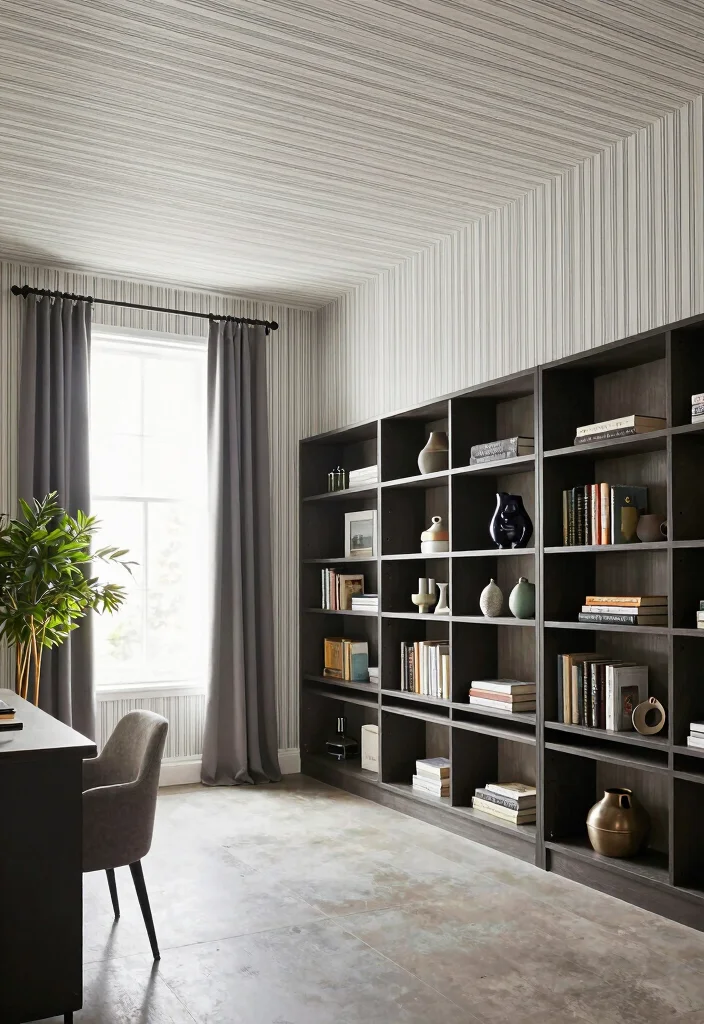
Vertical lines can be a transformative solution for low ceilings.
This design technique guides the eye upward, giving the illusion of added height. You might choose vertical paneling or opt for striped wallpaper to achieve this effect. Additionally, arranging artwork and shelves to extend vertically can also enhance this visual trick.
Tall bookcases not only provide storage but also draw attention upward, making the space feel more expansive.
Suggestions:
– Select curtains that hang from the ceiling to elongate walls.
– Look for furniture with tall legs to promote an open feel.
– Use tall plants to visually lift the space.
3. Creative Ceiling Treatments
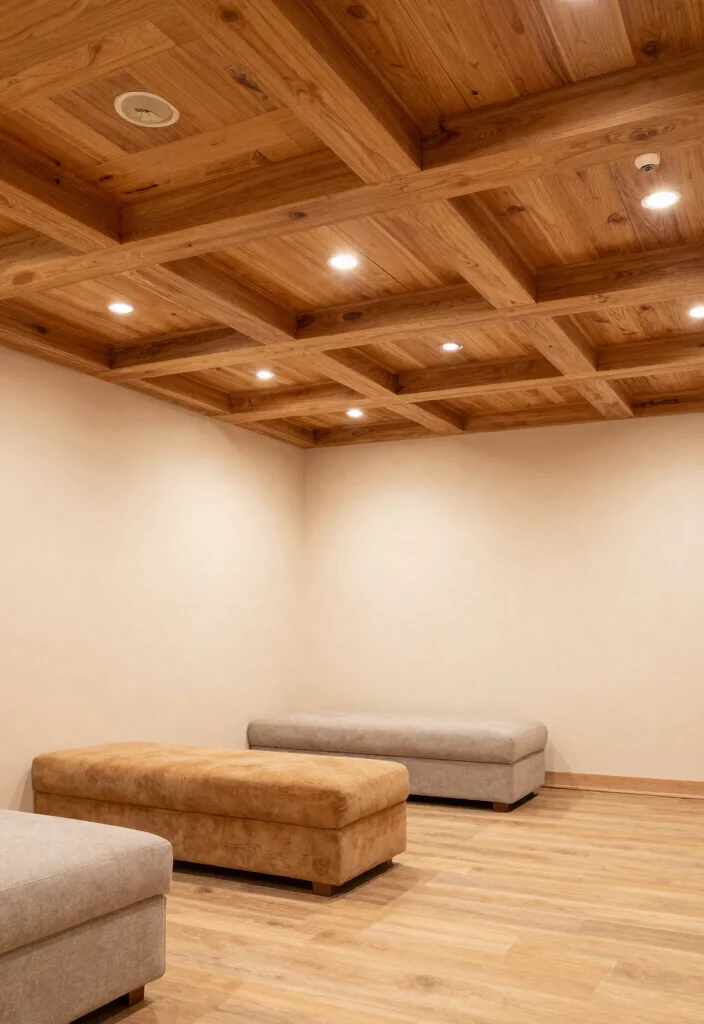
Revamping your ceiling can dramatically alter the ambiance of your basement.
Instead of leaving it plain, think about adding wood beams, colorful paint patterns, or faux tin tiles to inject personality. A coffered ceiling design introduces depth, making the area feel more spacious. For added contrast, painting the ceiling a darker hue can create an illusion of height against lighter walls.
This approach not only enhances the aesthetic but also adds layers of interest to the design.
Innovative Ideas:
– Use wallpaper or decals to infuse uniqueness.
– Install recessed lighting in a patterned layout for modern flair.
– Add LED strip lights along the perimeter for a soft glow.
Fun fact: for low ceiling basement ideas renovation, adding a coffered ceiling or faux beams can make the space feel noticeably taller—up to 20–25% more perceived height. Try a darker ceiling against light walls for instant depth and brighter overall ambiance.
4. Multi-Functional Furniture
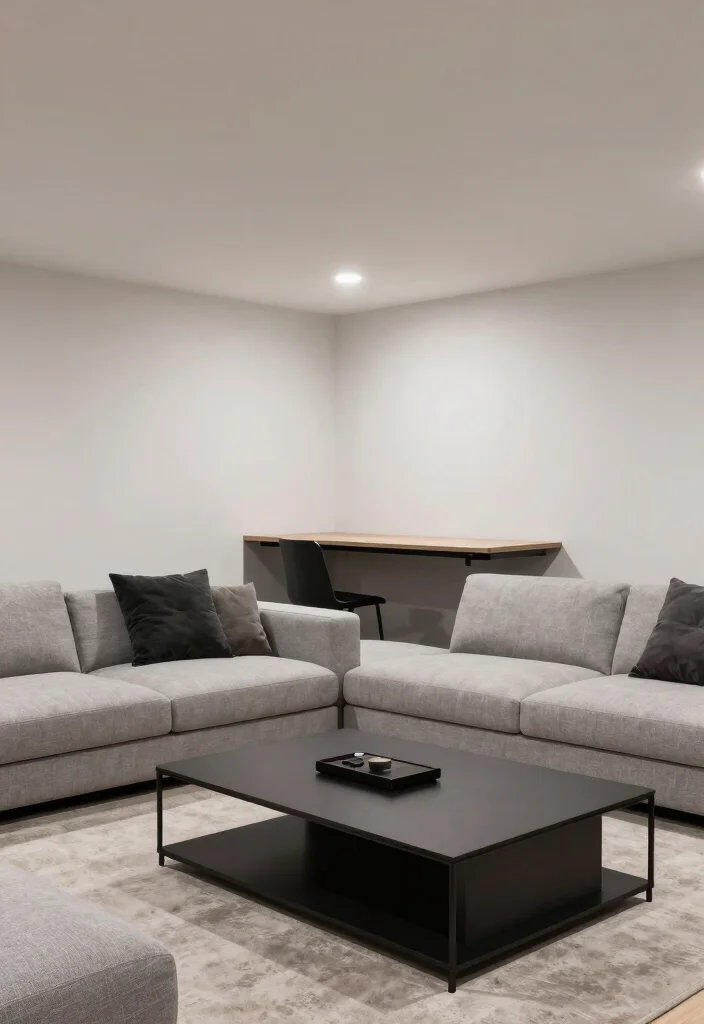
In a low ceiling basement, multi-functional furniture is invaluable.
Seek out pieces that serve dual purposes, such as a sofa that turns into a bed or an ottoman that provides storage. This not only optimizes space but also enhances your design’s versatility. Consider tables that can fold away or collapsible chairs that are easy to store.
Nesting tables are a great option, giving you extra surface area when needed while maintaining a clean look when pushed together.
Smart Choices:
– Invest in a coffee table with hidden storage.
– Choose daybeds that can serve as seating and sleeping areas.
– Use wall-mounted desks that fold down to save space.
Multi-Functional Furniture
Editor’s Choice




5. Layered Lighting
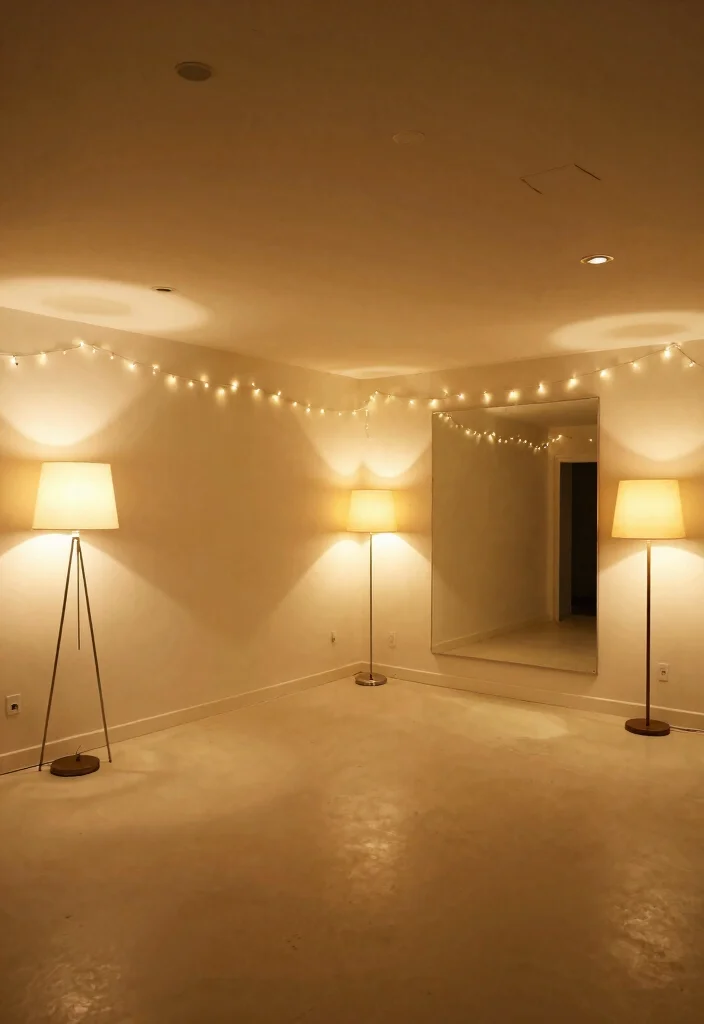
Effective lighting can turn your basement into a warm and inviting space.
Layering various lighting types—ambient, task, and accent—creates a cozy atmosphere and highlights the room’s best features. Start with recessed lights for general illumination, then add stylish pendant lights or floor lamps for specific tasks.
String lights can also infuse a magical touch, ideal for social gatherings or relaxation. Consider using LED strip lights under shelves for subtle, effective highlights.
Lighting Tips:
– Use dimmer switches to adjust brightness as needed.
– Add decorative lamps to enhance your style.
– Position mirrors strategically to amplify light reflections.
6. Decorative Beams
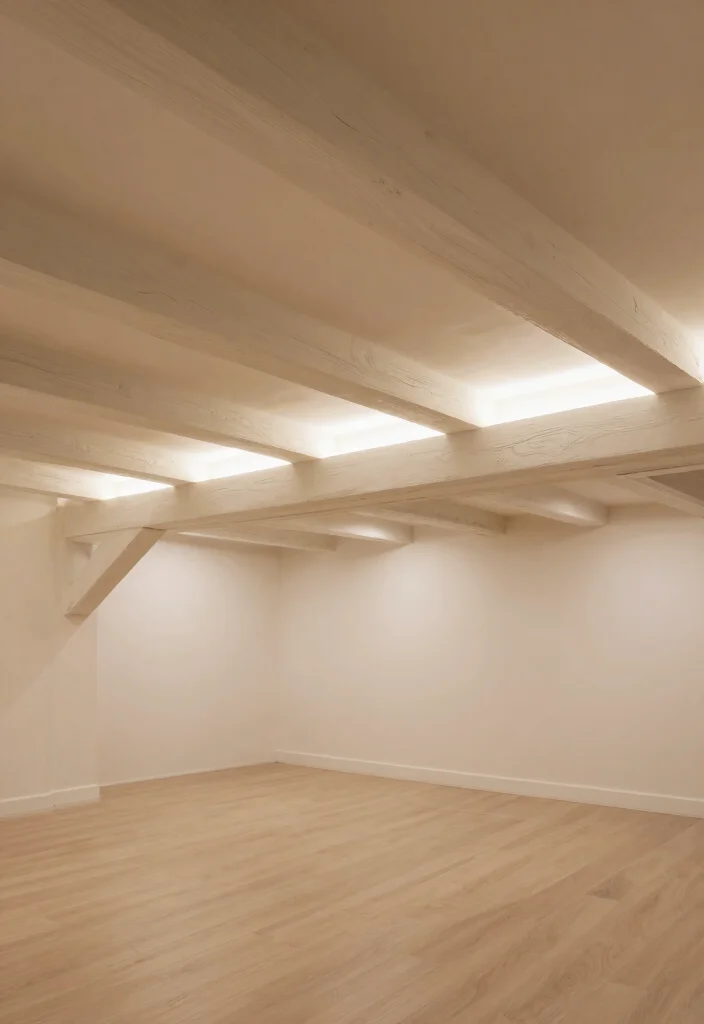
Integrating decorative beams into a low ceiling can create a captivating architectural feature.
You can paint these beams in contrasting colors or leave them natural to add rustic charm. Not only do they enhance visual interest, but they can also help define various areas within your basement.
Faux beams that mimic real wood or sleek metal beams can elevate the design, drawing the eye upward to create a more spacious feeling.
Design Suggestions:
– Use wider beams to achieve a modern farmhouse look.
– Combine beams with recessed lighting for a polished appearance.
– Alternate beam widths for a unique visual dynamic.
Decorative Beams
Editor’s Choice


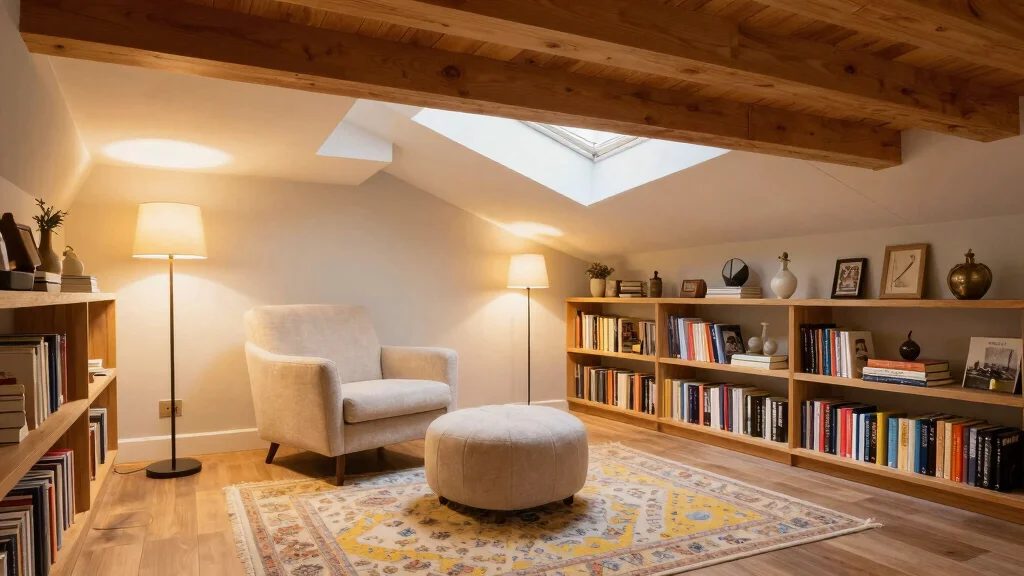
7. Create Cozy Nooks
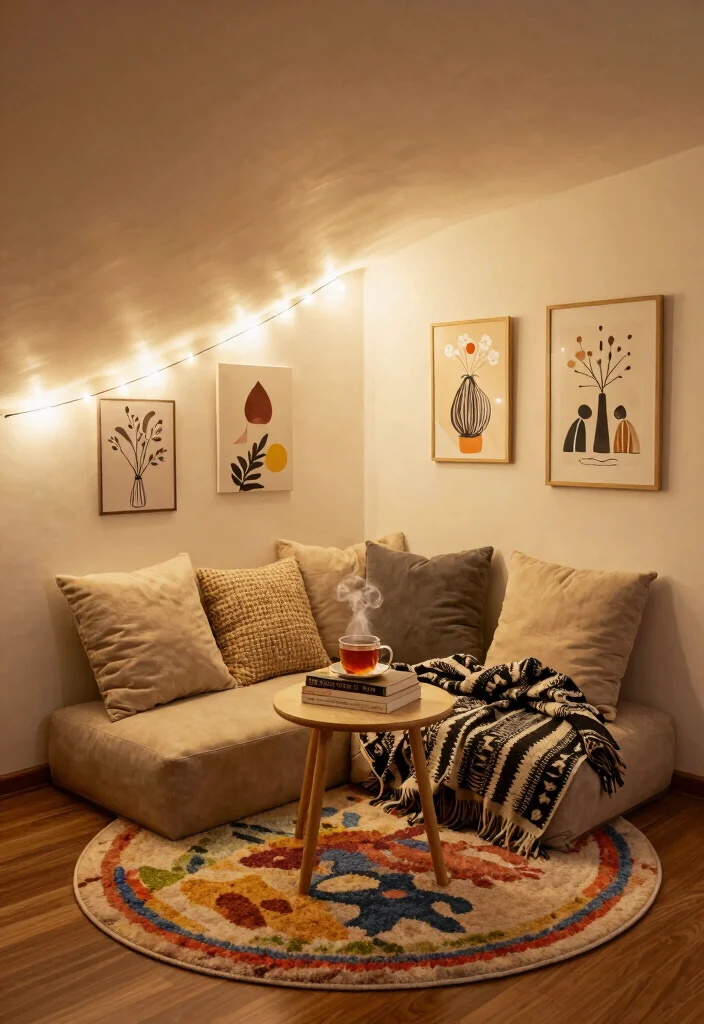
Establishing cozy nooks in your basement can significantly enhance comfort and functionality.
Consider corner seating with soft cushions for a perfect reading spot or a gathering area for intimate chats. Small side tables can keep essentials close by without overcrowding the space.
Opt for warm colors and textures like plush throws and soft lighting to create an inviting atmosphere. This zoning approach gives your basement a more organized yet homey feel.
Suggestions:
– Use bean bags or floor cushions for flexible seating options.
– Include a small bookshelf to keep your favorite books nearby.
– Hang artwork or mirrors to infuse personality.
Create cozy nooks in a low ceiling basement by pairing corner seating with warm lighting. Small side tables keep essentials handy without crowding the space, making your low ceiling basement ideas renovation feel bright, organized, and irresistibly inviting.
8. Open Up the Space
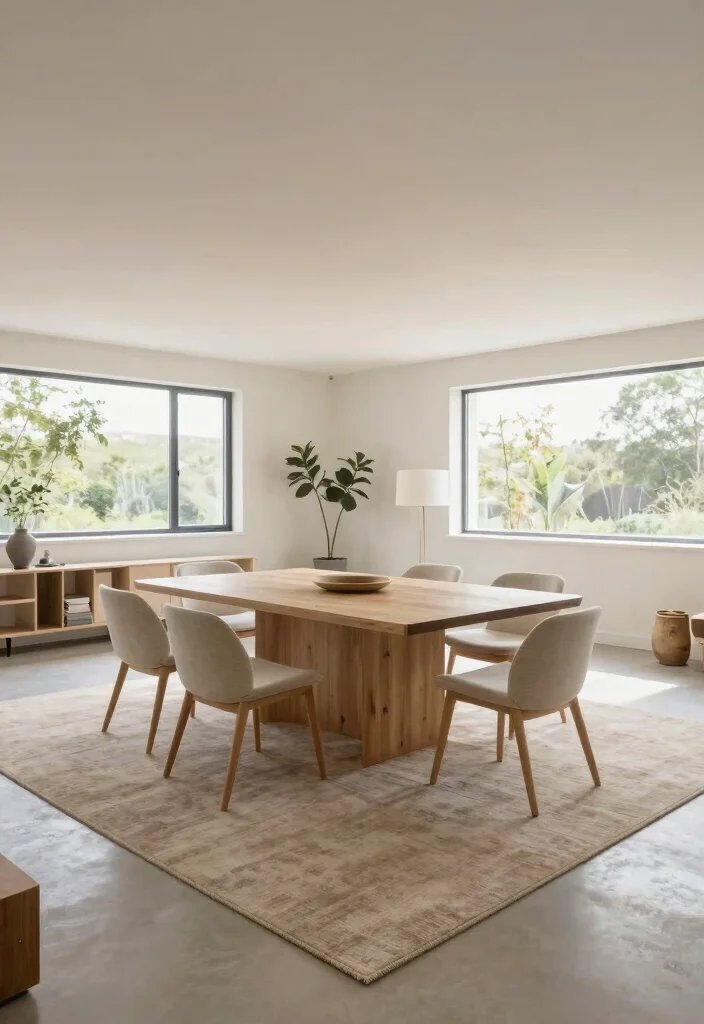
Embracing an open concept can often be the best solution for low ceilings.
If your basement contains several small rooms, consider removing non-load-bearing walls to create a more open feel. This encourages better flow and connection throughout the space.
Open areas are perfect for socializing, allowing larger groups to gather comfortably. Use rugs or strategic furniture placement to define different zones while maintaining an airy atmosphere.
Helpful Tips:
– Keep furniture minimal to enhance a spacious feel.
– Select low-profile pieces to avoid obstructing views.
– Incorporate a large central table for communal activities.
Open Up the Space
Editor’s Choice


9. Incorporate Natural Elements
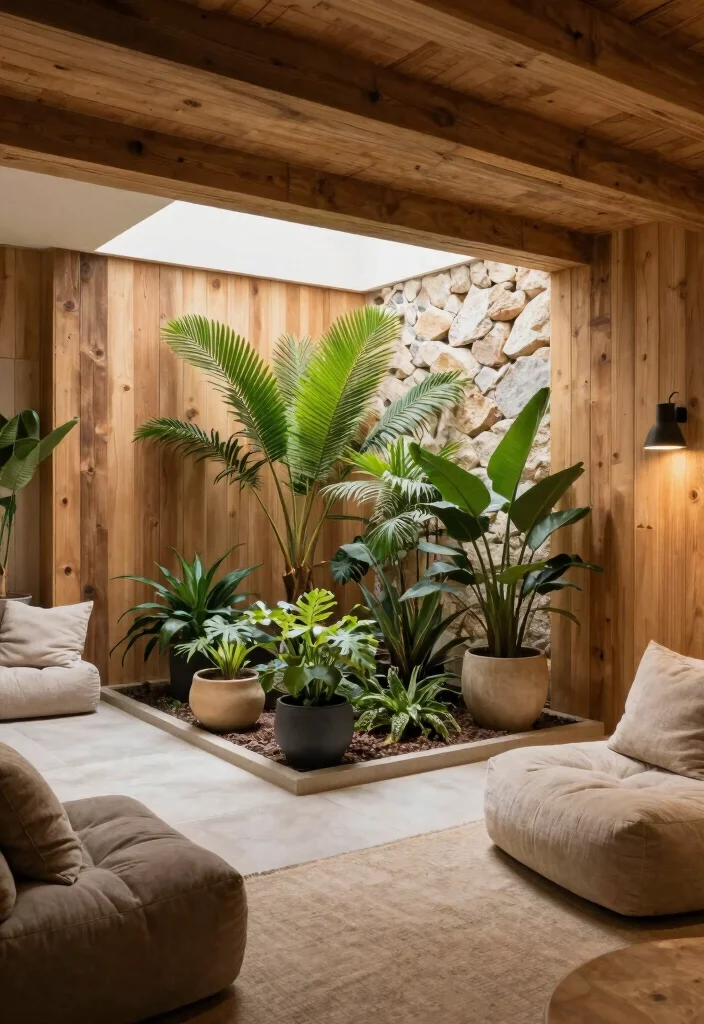
Integrating natural elements into your low ceiling basement can breathe life into the space.
Adding indoor plants, natural wood accents, or stone features fosters a harmonious atmosphere. Plants improve air quality and introduce a refreshing touch, while wood warms the environment.
Think about creating a mini indoor garden or a living wall for a striking focal point. Elements like jute rugs or cotton throws add texture and warmth.
Creative Ideas:
– Choose low-maintenance plants for easy upkeep.
– Use reclaimed wood for shelves or accent walls.
– Pair stone or brick details with soft furnishings for a balanced look.
10. Incorporate Age-Defying Designs
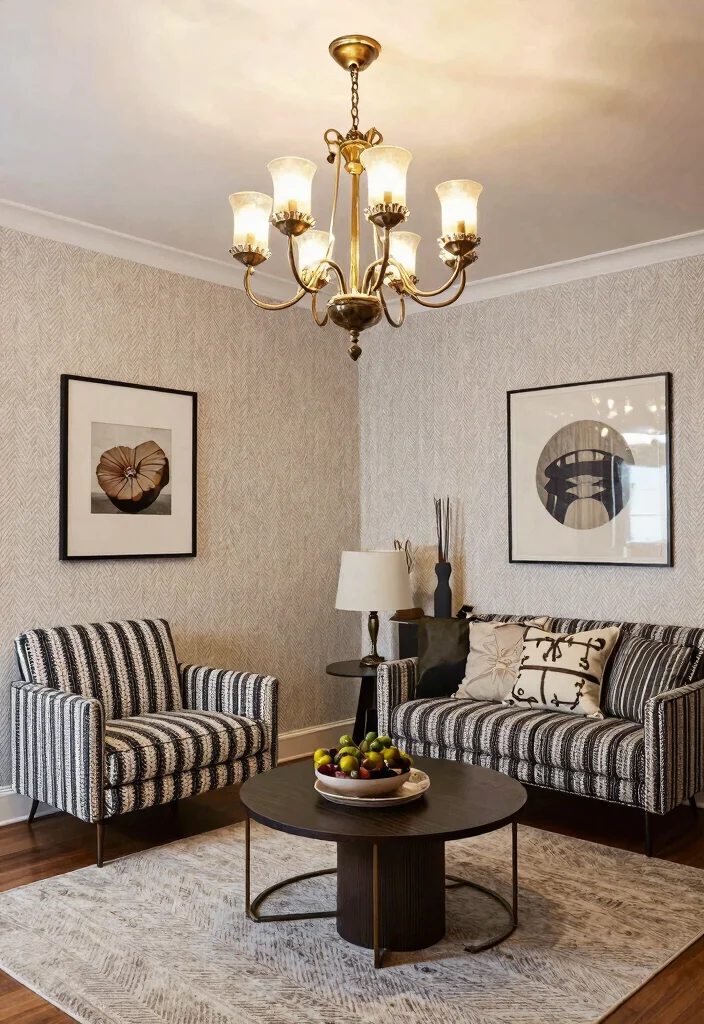
Designing a low ceiling basement with timeless elements ensures your space remains stylish.
Combine classic pieces with modern touches, like a vintage chandelier paired with contemporary seating. This blend creates a unique charm while keeping the area feeling relevant.
Oversized light fixtures in unexpected colors can add flair and draw attention to the ceiling height. Additionally, timeless patterns like herringbone or chevrons can add depth without overwhelming the design.
Timeless Tips:
– Select furniture that balances classic and modern styles.
– Use subtle patterns on walls or upholstery for texture.
– Choose accessories reflecting your personal style while ensuring harmony.
11. Use Space-Saving Wall Solutions
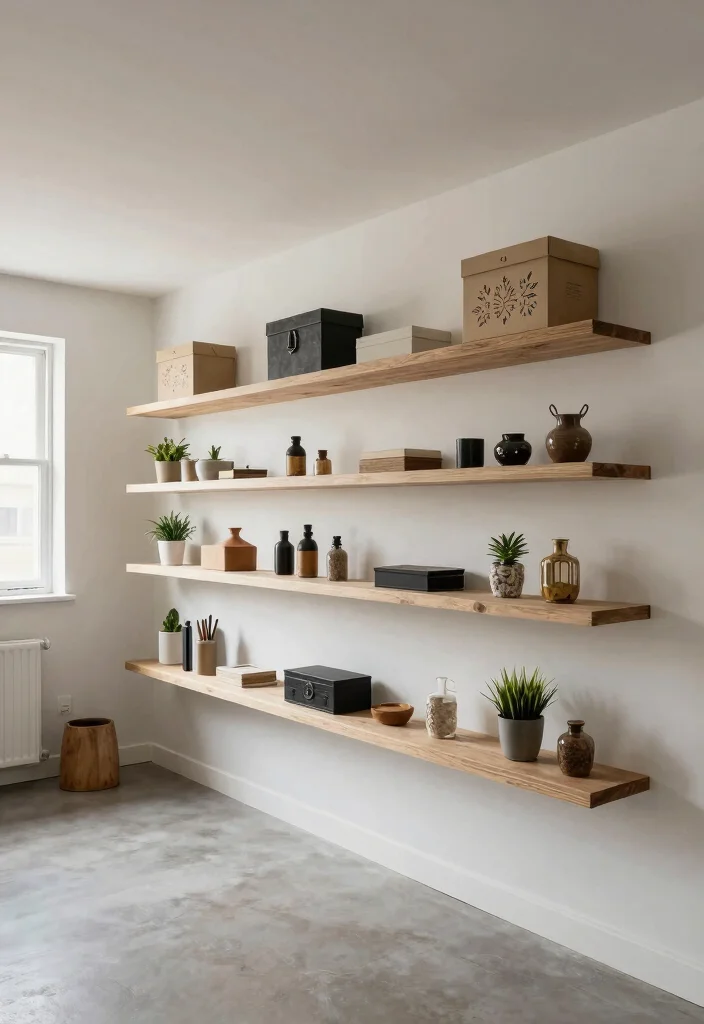
Maximizing wall space in a basement is essential for functionality.
Wall-mounted shelves, pegboards, or modular systems can provide storage without cluttering the floor. These solutions keep items organized and accessible while maintaining an open feel.
Consider adding wall pockets or organizers for extra functionality, ensuring everything has its place. Custom-built storage can create a seamless look, merging style with practicality.
Functional Ideas:
– Opt for floating shelves to keep the aesthetic clean.
– Use decorative boxes on shelves for stylish organization.
– Incorporate a pegboard for versatile storage solutions.
Use Space-Saving Wall Solutions
Editor’s Choice


12. Create Distinct Zones
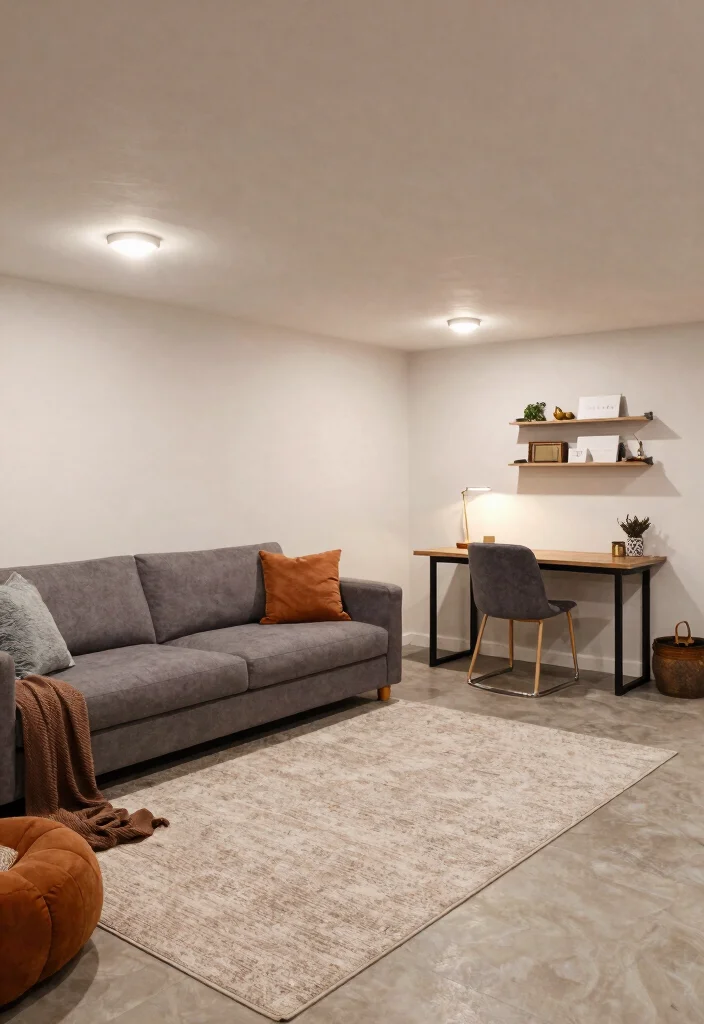
Establishing distinct zones within your low ceiling basement can enhance its functionality and style.
Use furniture arrangement, area rugs, or color-blocking techniques to define spaces for reading, gaming, or working. This approach not only optimizes your layout but also adds dynamic interest.
A sectional sofa can visually separate a living area from a small office, while an area rug can distinguish a cozy nook from a play area.
Zone Definition Tips:
– Use small furniture pieces to avoid crowding.
– Ensure smooth flow between zones for easy navigation.
– Incorporate unique decor items to differentiate spaces.
13. Utilize Built-Ins
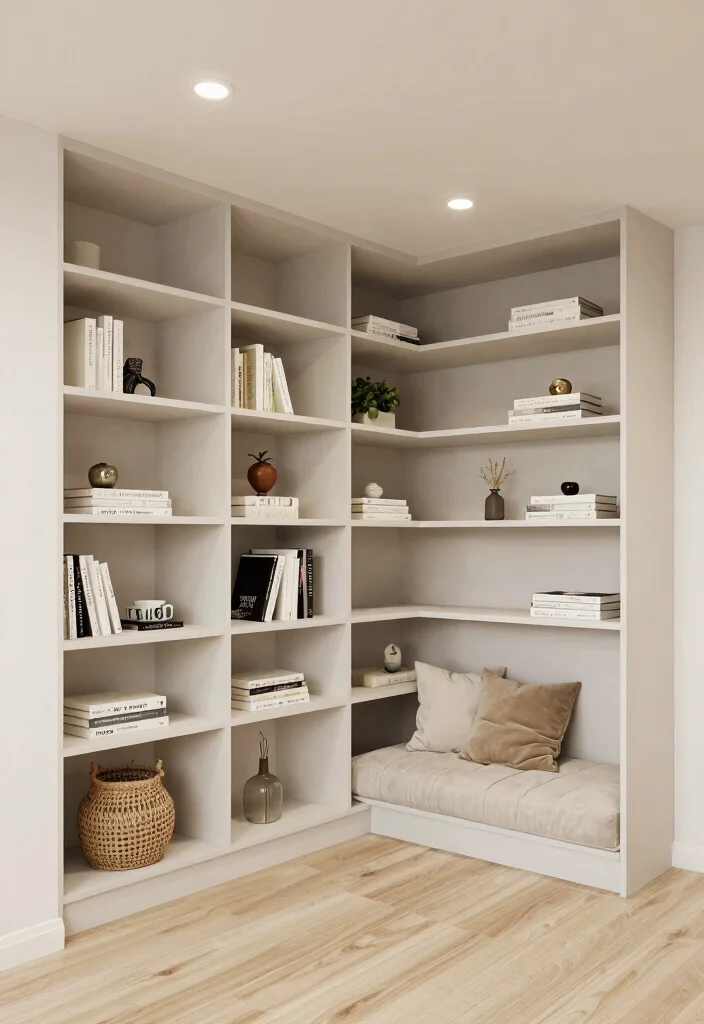
Built-in furniture is an excellent way to balance function and style in a low ceiling basement.
By integrating shelves, storage, or seating directly into the walls, you optimize space without bulky furniture. Custom built-ins can cater to your specific needs, whether it’s for a cozy reading nook or added storage for games and books.
Benefits of Built-Ins:
– Streamline the overall appearance of your space.
– Offer tailored storage solutions for your belongings.
– Increase your home’s overall value and appeal.
Fun fact: For low ceiling basement ideas renovation, built-ins can add up to 30% more storage without crowding the room. When shelves and seating are built in, you avoid bulky furniture and make the space feel twice as tall.
14. Play with Textures
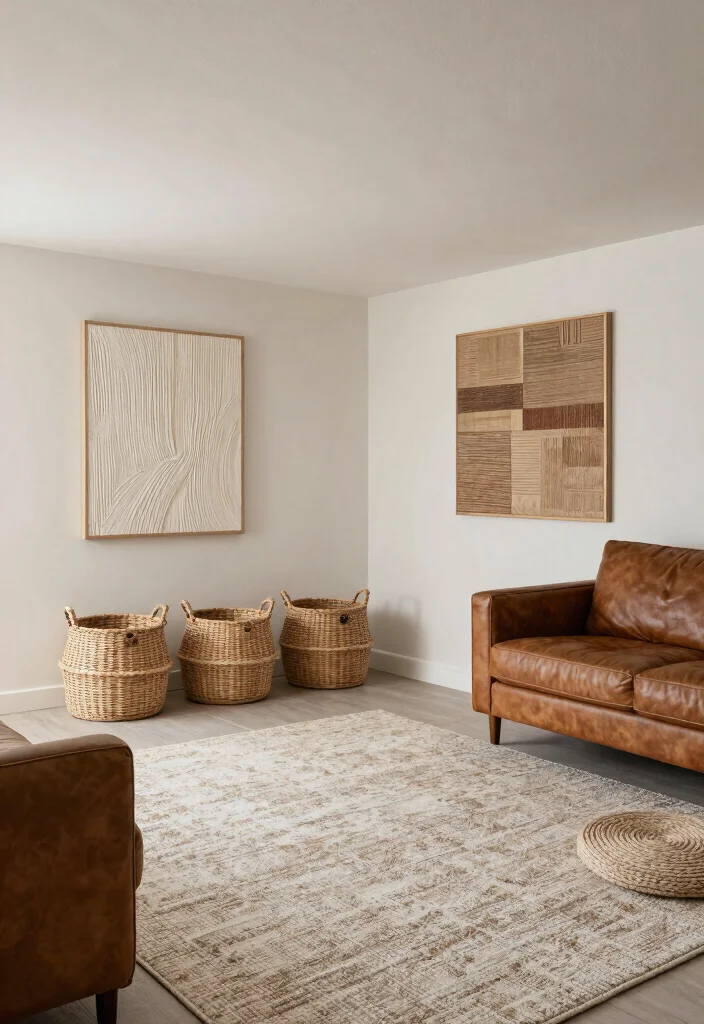
Incorporating various textures can add depth and intrigue to your low ceiling basement.
Mix a range of materials like leather, soft cotton, and metal accents to create a layered experience. This approach prevents the design from feeling flat and monotonous.
Textural contrasts, such as pairing a fuzzy throw with sleek furniture or rough wood tables with smooth ceramics, can introduce dynamic elements.
Texture Tips:
– Use rugs with different textures to define spaces.
– Incorporate woven baskets for storage that adds character.
– Choose wall art featuring various materials for visual excitement.
15. Maximize Storage Solutions
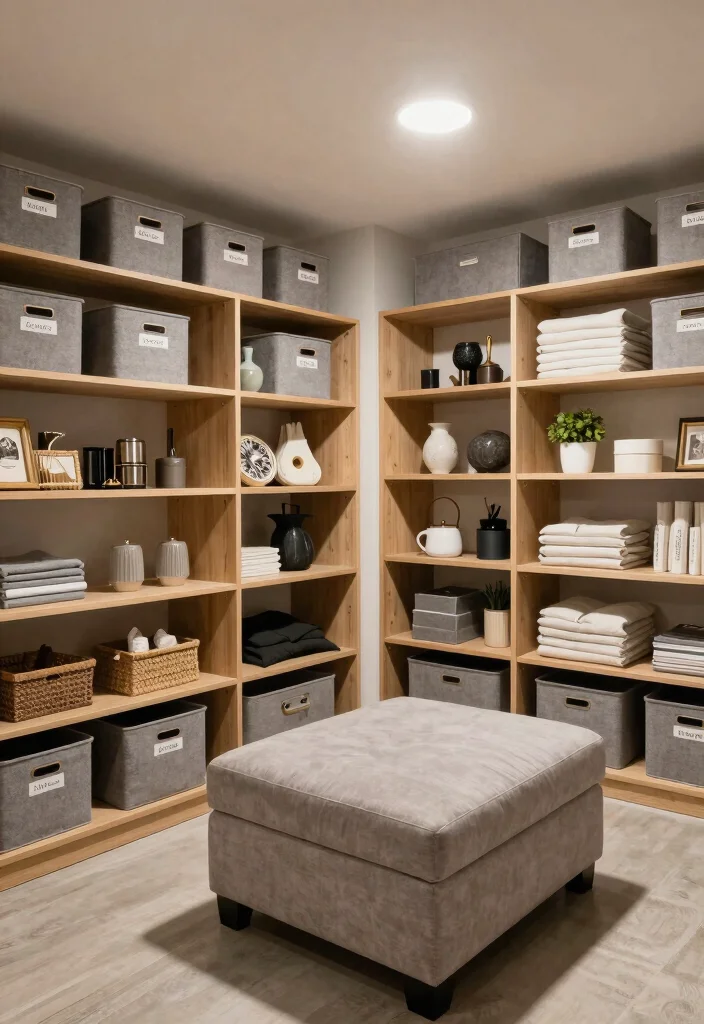
Smart storage solutions are key in any small area, especially a low ceiling basement.
Look for ways to utilize vertical space or under furniture for storage. For example, ottomans with hidden compartments or storage benches can serve dual purposes.
Vertical storage options like tall cabinets or reaching shelves can help you utilize every inch effectively. Using labeled bins keeps your belongings organized and enhances the neatness of the space.
Storage Tips:
– Use clear bins for easy content visibility.
– Maximize closet spaces with dividers for organization.
– Rotate seasonal items to maintain an uncluttered environment.
16. Personalize with Decor
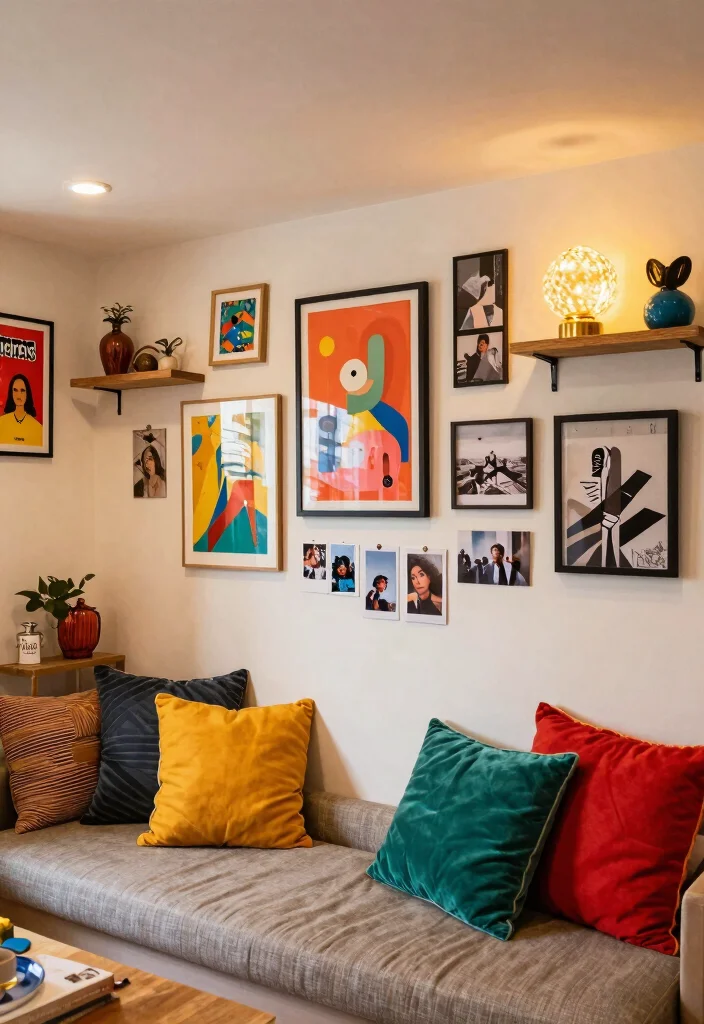
Finally, remember to express your personality in your low ceiling basement!
Personal touches like artwork, photographs, and unique decor can make the area inviting and reflective of your style. Bright cushions, interesting wall hangings, or a standout piece of furniture can add character.
This is your space, so embrace bold choices that resonate with who you are.
Decor Tips:
– Create a gallery wall showcasing your favorite art pieces.
– Incorporate family heirlooms or souvenirs for a personal touch.
– Experiment with display techniques to keep your decor engaging.
Personalize with Decor
Editor’s Choice



Conclusion
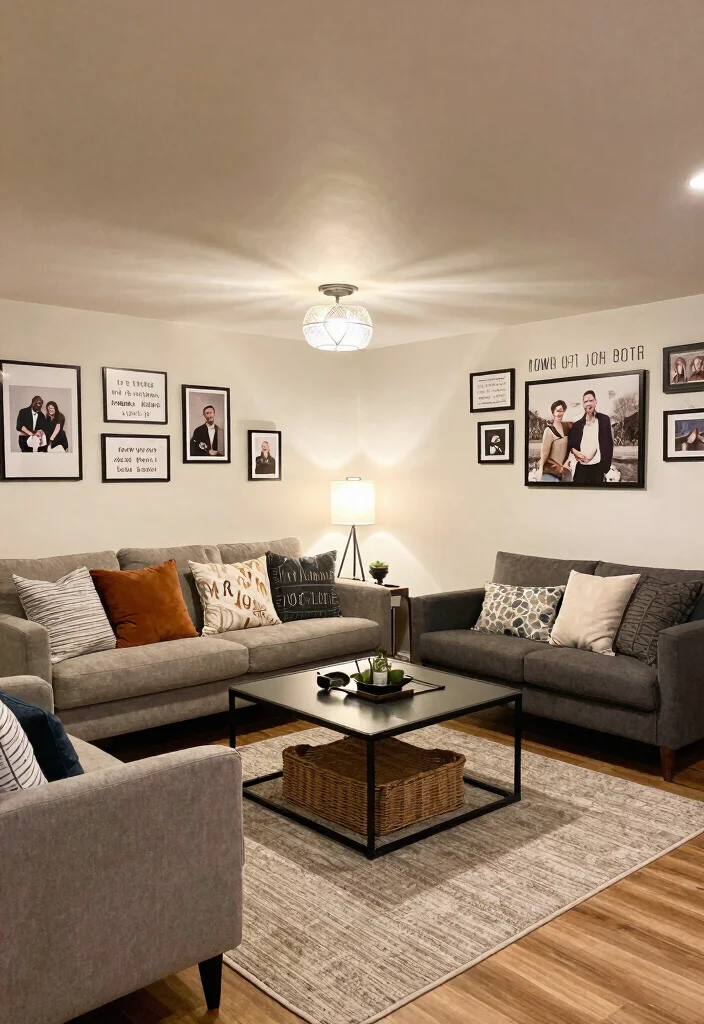
Revamping a low ceiling basement is not just about overcoming the height restrictions; it’s about creating a space that reflects who you are.
From clever lighting to multi-functional furniture, these ideas can help you transform your basement into a beautiful and functional retreat. Embrace creativity, experiment with styles, and most importantly, have fun making this space your own!
Note: We aim to provide accurate product links, but some may occasionally expire or become unavailable. If this happens, please search directly on Amazon for the product or a suitable alternative.
This post contains Amazon affiliate links, meaning we may earn a small commission if you purchase through our links, at no extra cost to you.
Frequently Asked Questions
What are the most practical low ceiling basement ideas renovation that actually work in small spaces?
Start with a bright, cohesive color scheme—think white ceilings and pale walls—to visually lift the room. Use recessed or slim-profile lighting to keep fixtures out of the sightlines. Choose furnishings with slender legs and low heights to avoid crowding the space. Add vertical storage or tall, slim shelving to draw the eye upward. Mirrors and glossy finishes reflect light and create depth, making the basement feel larger.
These basement design tips are practical ways to implement low ceiling basement ideas renovation without major construction.
How can I maximize light in a basement with a low ceiling while keeping the space feeling open?
Prioritize a bright palette—light walls, light window treatments, and bright flooring that bounce light around the room. Install recessed or wall-wash lighting and consider LED strip lighting along the ceiling perimeter to eliminate shadows. Add mirrors or a glossy accent surface to reflect light and expand sightlines. Use sheer curtains or minimal window coverings to keep daylight flowing in.
These basement design tips and creative ceiling ideas help create a more open feel without major construction.
What storage and furniture ideas work best in a low-ceiling basement to avoid crowding the room?
Stick to wall-mounted or floating storage so the floor stays clear. Look for built-ins and tall, slim shelving that maximize vertical space. Choose furniture with low profiles and plenty of hidden or under-seat storage to reduce visual clutter. Use modular, multi‑functional pieces that can be rearranged for different activities, a key small space solution.
Smart storage and functional basement decor make the room usable without feeling boxed in.
Are there budget-friendly home improvement projects I can tackle to brighten a basement with a low ceiling?
Yes! Start with a fresh coat of bright paint on walls and ceilings to reflect more light. Swap heavy curtains for lighter, sheer options and swap to energy-efficient LED lighting. Declutter and organize with wall-mounted storage or under-stair units. Add removable wallpaper or simple accent walls to brighten the space without a big price tag. These basement design tips offer quick, small space solutions that deliver big impact.
What are clever creative ceiling ideas for a low ceiling that actually work?
Keep the ceiling color light and uniform with the walls to minimize height loss. Install recessed or track lighting around the perimeter so light radiates without bulky fixtures. Use mirrors or reflective panels on one wall to create the illusion of depth. Emphasize vertical elements—tall shelves, floor-to-ceiling drapery, or slim bookcases—to draw the eye upward. For small changes with big impact, choose a low-profile ceiling fan or compact HVAC diffusers that blend in rather than interrupting sightlines.